
The Psychedelic Syndicate: Part 1
How Silicon Valley Used Veterans to Hijack the Psychedelic Industry
Principal authors: Neşe Devenot, PhD; Russell Hausfeld; Brian Pace, PhD; and Brian Normand. Contributing authors: Meaghan Buisson and James Curtis.
Executive Summary | Part 2 | Part 3 | Part 4 | Primary Documents | Download PDF
A year-long investigation reveals how a small group of Silicon Valley elites sought to capture the psychedelic therapy industry — using a network of affiliated organizations to scapegoat critics while pressuring regulators to approve their botched MDMA clinical trials.
Part 1 of The Psychedelic Syndicate reveals how the Psychedelic Science Funders Collaborative (PSFC) — a wealthy network of Silicon Valley elites and Burning Man devotees — systematically captured the psychedelic movement by influencing MAPS, funding its subsidiary Lykos’ MDMA clinical trials, and promoting underground therapy through state legalization initiatives.
Editor’s Note: We sent detailed requests for comment to 54 individuals and organizations named in this report, but some did not respond to requests before publication. We invite any parties who wish to respond to the reporting in this article to contact us at research [at] psymposia [dot] com. Any substantive responses will be published as updates to this article or as separate pieces, at our editorial discretion.
Content Advisory: This report contains descriptions of physical abuse, sexual abuse, and coercive control in the context of psychedelic therapy.
Legal Review: Every claim has undergone rigorous pre-publication legal review. Psymposia received legal support from ProJourn, an innovative pro bono program operated by the Reporters Committee for Freedom of the Press. Psymposia is a member of Reporters Shield, an organization developed by investigative journalists at the Organized Crime and Corruption Reporting Project and lawyers at the Cyrus R. Vance Center for International Justice, which defends investigative reporting around the world from legal threats meant to silence critical voices.
Introduction
We are told that psychedelics are the future of mental healthcare by the industry that would profit from their financialization. The industry presented this narrative as a grassroots response to the discovery of a miracle cure, offering solutions to the veteran suicide crisis and a path to “net-zero trauma” for humanity.
Contrary to this popular understanding, the so-called “psychedelic renaissance” is built on an astroturfed foundation. Like the ship of Theseus, the original foundations of the psychedelic ecosystem have been supplanted by synthetic infrastructure — an artificial reef system that selects for groups and ideas serving the interests of capital while excluding those that do not. The resulting environment is inhospitable to critical voices and to genuine grassroots movements.
The Psychedelic Science Funders Collaborative (PSFC) — a powerful syndicate of financiers — has leveraged its influence to place affiliates in key positions throughout the psychedelic industry, effectively capturing the movement for private gain. This concentration of control is openly celebrated within PSFC’s ranks; PSFC board member Genevieve Jurvetson acknowledged the disproportionate impact of a small group of wealthy donors: “[T]his field has been carried by like 20 families, and the leverage that they’ve had with [a] million, you know, tens of millions of dollars — hundreds of millions at this point — is really quite extraordinary.”
PSFC’s funding priorities have followed a playbook developed by industries known for causing harm: overstate the benefits, underemphasize the risks, and capture the regulatory process.
Silicon Valley investors — who make up the core of PSFC’s base — are pursuing similar strategies in the artificial intelligence industry, raising the dystopian prospect of a future in which an elite circle controls industries that work synergistically to shape perceptions of reality at scale. In this context, the convergence of far-right politics with psychedelics and artificial intelligence reflects a broader strategy of weaponizing technologies that can alter behavior and belief systems.
The danger inherent to this control — which Brian Merchant identified in the AI industry — also applies to psychedelics:
“AI dominance promises power. It promises technology that can surveil, automate, bring workers to heel, and create cheap and voluminous propaganda. Anyone and everyone who’s bullish on AI should ask themselves why it is that the AI industry, in its current formation, is so attractive to, willing to partner with, and such a natural fit for a regime that grows more authoritarian by the day.”
The direction that these industries are developing is at the expense of these technologies’ transformative potential. While AI and psychedelics could be developed in ways that benefit humanity and ecological health, the current trajectory is being determined by actors who prioritize capital accumulation for control rather than collective flourishing. This trajectory is enabled by a manufactured consensus of expertise shaped by “mechanisms of agenda-setting, advocacy, academic capture, and information management.”
In the psychedelic ecosystem, each of these mechanisms are funded by PSFC — a fact that we uncovered in the course of writing this report.
As academics, organizers, and journalists, the four principal authors have collectively worked in the psychedelic field for 44 years. We began as insiders, working closely with the Multidisciplinary Association for Psychedelic Studies (MAPS), which has long occupied a central position in the movement to advocate for psychedelic drug reform. Over time, we evolved into conscientious objectors to the ecosystem surrounding MAPS, emerging as prominent critics of industry practices and advocates for those who have been exploited by those practices.
By 2024, when MAPS’s MDMA-assisted therapy (MDMA-AT) project approached FDA approval under its for-profit spinoff Lykos Therapeutics, we had already been working for six years to warn the field about the project’s methodological flaws and the dangers of mainstreaming it. (In August 2025, Psychedelic Alpha reported that Lykos Therapeutics rebranded to Resilient Pharmaceuticals.)
Like most others in the field, we assumed the momentum behind MDMA meant approval was inevitable, but we maintained that responsible approval required thorough investigation of these concerns. If approval proceeded without this investigation, we were determined to preserve the concerns for the historical record.
Our research into PSFC began after we were targeted for our successful efforts to ensure concerns about MDMA-AT were documented during the FDA approval process — efforts that included educating the public about how to participate in the process.
Although PSFC had been on our radar for some time, the synchronized mobilization of multiple affiliated groups pushing identical partisan narratives revealed the full scope of their coordinated network. The response functioned like electrical stimulation of a neural network, triggering synapses to fire in coordinated patterns that exposed the previously hidden architecture of PSFC’s influence operations. Collectively, this coordinated campaign worked to dismiss concerns about Lykos by systematically discrediting and scapegoating its critics.
In the course of correcting false narratives about Psymposia, we uncovered extensive connections between MAPS, PSFC, Lykos Therapeutics, and adjacent psychedelic organizations and initiatives. Our findings provide an unprecedented look into the “psychedelic renaissance,” revealing how wealthy elites have deliberately constructed an apparatus to manufacture public demand for a new psychedelic industry. →
→ Funding Disclosure: Psymposia maintains full editorial independence from all funding sources. In light of the hostile political climate, we have respected donor requests for confidentiality. In 2024, we received an unrestricted contribution from the Sarlo Charitable Fund, provided in recognition of our longstanding work in harm reduction within the psychedelic field. This donation became public when the Sarlo Charitable Fund chose to disclose this information to WIRED. We received this funding after we were already engaged in this work; no one requested or commissioned this report, which developed from our need to document and contextualize a coordinated campaign to delegitimize our organization. Prior to 2024, Psymposia functioned entirely on a volunteer basis and was supported by small donations that covered basic operational costs. Our independence distinguishes our work from industry-funded research and advocacy that serves corporate interests.
Psymposia compiled this report through analysis of hundreds of internal documents from influential psychedelic funders covering nearly a decade. Our examination reveals PSFC’s rise to dominance and its extensive control across the psychedelic industry — from federal regulatory frameworks to state-level initiatives — all aimed at legitimizing an underground movement with established patterns of harm.
Many of the documents cited in this report are primary sources: email communications, transcripts, text message exchanges, recordings of Zoom meetings, presentation slides, and other internal materials. Multiple individuals provided these documents to Psymposia in unedited form. →
→ EXTRA CONTEXT: Many of the communications we reviewed came from PSFC’s own listserv, which lacked basic operational security. On March 8, 2021, the confusion about who had access was exposed when PSFC member and podcaster Tim Ferriss emailed the group speculating about the business plans of the psilocybin company Compass Pathways. Compass co-founder Katya Malievskaia responded to the thread with a blunt reminder: “Hi all, I feel you should know that [Compass co-founder] George [Goldsmith] and I are on the email distribution list.”
Psymposia has spent over a year analyzing primary documents, corresponding with sources, and consulting legal counsel to assemble this report. Considering the sensitivity of the material being released, some of our sources have chosen to remain anonymous. Every claim has been vetted by pre-publication legal review.
In releasing this report, our goal is to provide the public with a clearer understanding of the financial influence at play within the psychedelic industry. We have designed this report with infographics and an appendix to serve as resources for other researchers and reporters. →
→ EXTRA CONTEXT: If you are a journalist reading this report and have an interest in receiving primary source documents, reach out to research [at] psymposia [dot] com
Great care was taken to place documents in proper context and provide adequate sourcing for all claims. We chose to release only those names and communications from PSFC members that are central to this reporting, while omitting those with limited influence on the organization’s direction. Based on the evidence we reviewed, many funders appear to have accepted PSFC’s claims and intentions at face value.
We believe it is essential to release this information at this critical moment, not only for the psychedelic field but for the health of democratic society. The coordinated influence operations documented here reveal how wealthy elites are capturing emerging industries, manipulating public opinion, and subverting regulatory processes. These tactics pose a fundamental threat to democratic governance and public accountability.
This is one of those reports that, once read, can’t be unread: by the time you get to the end, the history of the psychedelic field looks very different, and it will make a lot more sense. 
Chapter 1: A “Bulwark Against Backlash”
In August 2024, the United States Food and Drug Administration rocked the psychedelic industry by declining to approve Lykos Therapeutics’ (previously MAPS PBC) New Drug Application for MDMA-Assisted Therapy (MDMA-AT). Although this outcome was virtually inconceivable within the psychedelic field at the start of the year, this final decision aligned with the June recommendation of the FDA’s Psychoactive Drugs Advisory Committee (PDAC), which overwhelmingly rejected the application.
Despite most of the committee’s explicit interest in one day approving a psychedelic drug, its hands were tied by the multitude of flaws in Lykos’ clinical trials, resulting in a death by a thousand cuts for the application.
Although the FDA’s decision came as a surprise, there had been growing concerns throughout the spring. The advisory committee’s vote of “no confidence” in Lykos’ application was foreshadowed by an unfavorable analysis of the application from the Institute for Clinical and Economic Review (ICER) — a nonprofit that provides clinical and cost-effectiveness analyses of drug treatments. In tandem, these reviews from PDAC and ICER unleashed a torrent of critical news coverage.
Staggering under this growing scrutiny, Lykos and its allies — including funders and nonprofit proxies — developed a crisis response to brute-force their project over the finish line by silencing dissent and pressuring regulators. In what should have been a moment of self-reflection and accountability, the campaign attempted to bypass Lykos’ responsibility for its misconduct, which included uncollected safety data and sexual abuse during a clinical trial. (Founder of atai Life Sciences and investor in Compass Pathways, Christian Angermayer, called Lykos’ data set “poor.” He described its trials as having “been deemed chaotic, with nonstandard designs — particularly regarding therapy — and questionable execution.”)
With over $100 million in private investment at stake, these groups resorted to desperate measures to divert attention from self-inflicted failures. Their strategy relied on manufacturing the illusion of grassroots groups fighting against big pharma while painting critics as anti-veteran extremists. In reality, Lykos funders were following a classic pharma playbook — funding proxy groups to obscure serious concerns about the company’s practices by exploiting the public’s sympathy for veterans. →
→ EXTRA CONTEXT: A veteran proxy group in this context refers to an organization or entity that claims to advocate for the interests and needs of military veterans but actually serves to advance pharmaceutical industry goals.
The crisis response began with a June 23 open letter co-authored by Juliana Mercer and Jesse Gould, directors of the nonprofit veteran organization Heroic Hearts Project. (Gould is also Heroic Hearts’ Founder and President.) Filled with disinformation and conspiratorial reasoning, the letter was published on the websites of Heroic Hearts and Healing Breakthrough, a then-separate veterans organization where Mercer was the Director of Veteran Advocacy & Public Policy. Heroic Hearts has since merged with Healing Breakthrough, with Juliana Mercer continuing as Executive Director of the Healing Breakthrough program within Heroic Hearts. 
Timeline of PR campaign (click to view full timeline)
Although the media represented the nonprofits as leaders of a grassroots movement, both organizations have extensive ties to Lykos’ funders. Prominent among these financial backers is the Psychedelic Science Funders Collaborative (PSFC), which was instrumental to completing Lykos’ Phase 3 clinical trials. While PSFC’s role in the psychedelic movement is beginning to come into focus, the full extent of these relationships has not been previously reported.
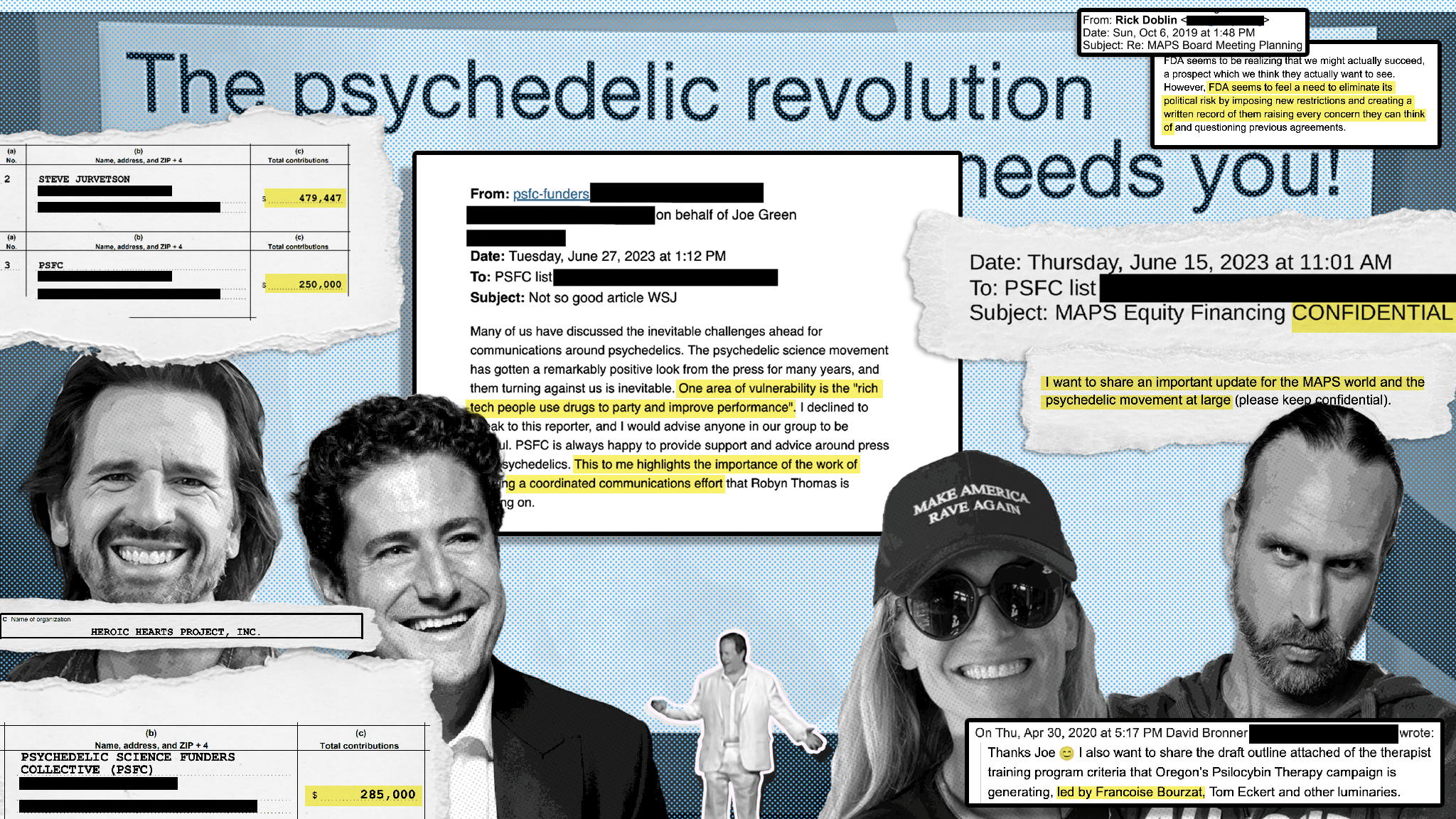
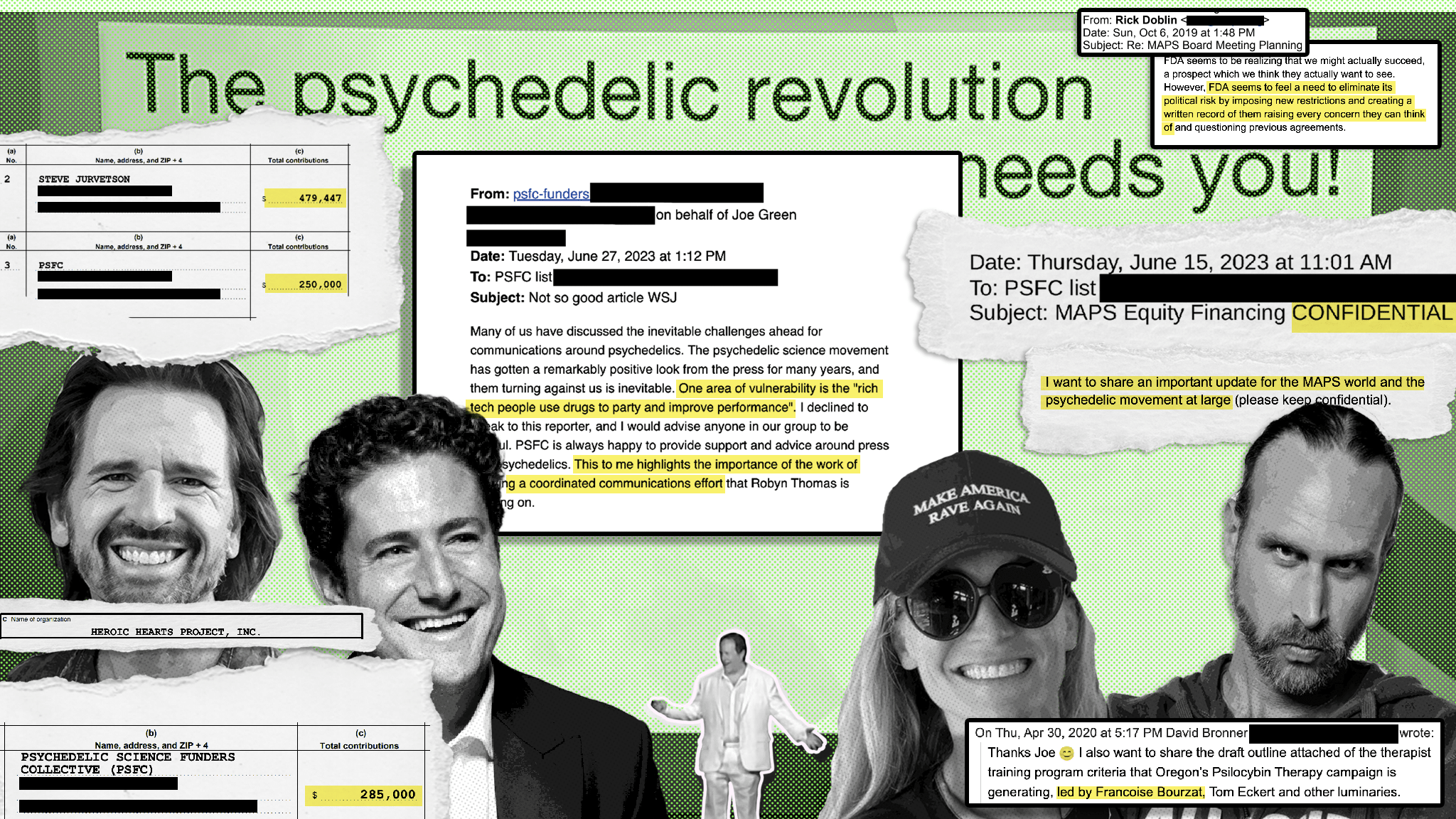
According to publicly available materials and emails seen by Psymposia, PSFC cast veterans to play a central role in their goal of shaping public perception of psychedelic therapy. In 2023, PSFC described preparations for the media’s “inevitable” turn against them through the creation of “a coordinated communications effort” to mitigate negative press. The elements of the crisis response were already in place, and Heroic Hearts and Healing Breakthrough’s letter was the opening volley.
Tax filings reveal that as of 2023, Heroic Hearts received at least $1.65 million (2020, 2021, 2022, 2023) from PSFC, its members, and Lykos investors. Although their tax filings do not reveal donors, Healing Breakthrough received more than $5 million since its 2023 inception and former Lykos director Jason Pyle served as its founding Executive Director. (This connection was not disclosed on either Lykos’ or Healing Breakthrough’s websites.) Psymposia has reviewed emails revealing additional connections between Lykos, PSFC, and these veterans groups. →
→ EXTRA CONTEXT: In one email from 2021, Alan Fournier — who was later listed as Healing Breakthrough’s Vice Chair — announced the Veterans Acceleration Program in partnership with Pyle and PSFC. PSFC appointed Ken Weingardt (who had been serving in a leadership position at Healing Breakthrough since 2021) to lead this program in partnership with MAPS PBC, the clinical trial sponsor. Weingardt announced his new role with the Veterans Acceleration Program on LinkedIn in February 2022. In a subsequent job posting, the acceleration program was described as “work[ing] closely with the…drug sponsor [MAPS PBC] charged with commercializing MDMA and making it widely available after FDA approval.”
Both Healing Breakthrough and Heroic Hearts received significant funding from people associated with Lykos. In Healing Breakthrough’s 2023 tax filing, which lists MAPS PBC Director Jason Pyle as Executive Director, Juliana Mercer received $158,866 in total compensation. Heroic Hearts Project Executive Director Jesse Gould received $70,417 in total compensation in 2023.
As early as 2019, during an event at Burning Man (an annual “participative temporary metropolis” in Nevada’s Black Rock Desert, where psychedelic use is common), PSFC’s founders outlined their strategy to engineer public acceptance of psychedelic therapy by exploiting sympathy for veterans. In his speech, PSFC co-founder Joe Green revealed awareness of this instrumentalization when he told the audience that — while he doesn’t want to “sound unduly calculating” — PSFC’s focus on veterans is based on internal polling that indicated veterans are “one of the most sympathetic groups in our country.” (On its mailing list, one PSFC member described veterans as “the glue that binds the psychedelic culture to everyone else.”)
PSFC formalized this approach to veterans groups in its November 2021 Landscape Report, which positioned them as a key element of a public relations strategy that would serve as an “insurance policy” and a “bulwark against backlash” to protect the organization’s interests. To implement this strategy, the report outlined how PSFC could manipulate public sentiment and apply political pressure by directly funding content creation: “Another option for funding is to bypass the ‘gatekeepers’ and directly support the creation and dissemination of content focused on the messages we want the public to hear.”
As the report acknowledged, this content strategy was designed to exploit public sympathy for veterans to manufacture urgency for advancing PSFC’s policy goals: “Advocacy organizations focused on specific constituencies such as veterans…can be extremely powerful elements of a policy change strategy. Tying a policy reform effort to human stories from populations who are either highly sympathetic or highly relatable is one of the most effective ways to create a sense of urgency among both the public and lawmakers.”
As later chapters of this report will explore in more detail, this strategy resulted in veterans proxy groups attacking critics and whistleblowers to advance the psychedelic industry’s financial and political goals. (Since 2022, Psymposia’s Russell Hausfeld has reported on the evolution of this strategy by MAPS.) The history of these tactics sheds light on the June 23 letter published by Heroic Hearts and Healing Breakthrough, in which Mercer and Gould appealed to emotion instead of defending Lykos’ application on its merits.
To provide political cover for the FDA to override its advisory committee’s vote of “no confidence,” these organizations falsely alleged that Psymposia and ICER colluded to manipulate the committee. They also recklessly singled out Psymposia’s Neşe Devenot by name, and accused Psymposia and ICER of “single-handedly dash[ing] the hopes of thousands of veterans who continue to take their own lives due to their suffering from PTSD.” →
→ EXTRA CONTEXT: Three members of Psymposia — Russell Hausfeld, Dr. Neşe Devenot, and Dr. Brian Pace — provided public comments during these meetings, but they did not collaborate with ICER or the FDA’s advisory committee. Meaghan Buisson has acted as a research associate for Psymposia in the past, and provided comment to ICER and FDA PDAC. The additional members of Psymposia, Brian Normand and J. Gordon Curtis, provided research support but did not provide public comment.
The Heroic Hearts letter relied on disinformation, including fictitious accusations that Psymposia and ICER are “anti-veteran” and coordinating an “anti-MDMA smear campaign.” To support this point, it mischaracterized a 2020 essay by David Nickles, whose affiliation with Psymposia ended in November 2023. →
→ EXTRA CONTEXT: On June 27, Dr. Peter Addy — a former VA research psychologist and former call worker for the Veterans Crisis Line — refuted the letter’s false claims in a published response. “It’s important to represent the arguments of those you disagree with accurately,” Addy wrote. “Mischaracterizing their positions does not contribute to a productive dialogue about the important issues surrounding MDMA-assisted therapy and veteran care.”
Heroic Hearts’ letter was initially disseminated to journalists in the media by public relations firm Vitamin D, on behalf of Heroic Hearts and Healing Breakthrough. Other PR firms involved in the overarching crisis response to the FDA advisory committee’s rejection included Precision Strategies, Breakwater, and RALLY. The campaign also tapped the Psychedelic Communications Hub, a “coordinated rapid response” team co-founded by Robyn Thomas, the former Executive Director of Giffords Law Center to Prevent Gun Violence. (The Psychedelic Communications Hub is now integrated into the Psychedelic Safety Institute.)
Following the initial dissemination, the crisis response escalated into a full-blown media spectacle. Their letter was amplified on social media with further misinformation by then-presidential candidate Robert F. Kennedy Jr. Representative Dan Crenshaw (R-TX) produced a video condemning Psymposia and ICER by name, which was later endorsed and retweeted by Elon Musk.
Capitalizing on the outrage manufactured by the letter, three veteran proxy groups — Heroic Hearts, Healing Breakthrough, and The Mission Within (which was fiscally sponsored by MAPS) — moved into a phase of stakeholder mobilization, launching a public pressure campaign website that was subsequently promoted by MAPS: Approve MDMA Therapy. (The website later published an open letter to President Joe Biden, signed by a coalition of veterans groups urging the approval of MDMA-AT.)
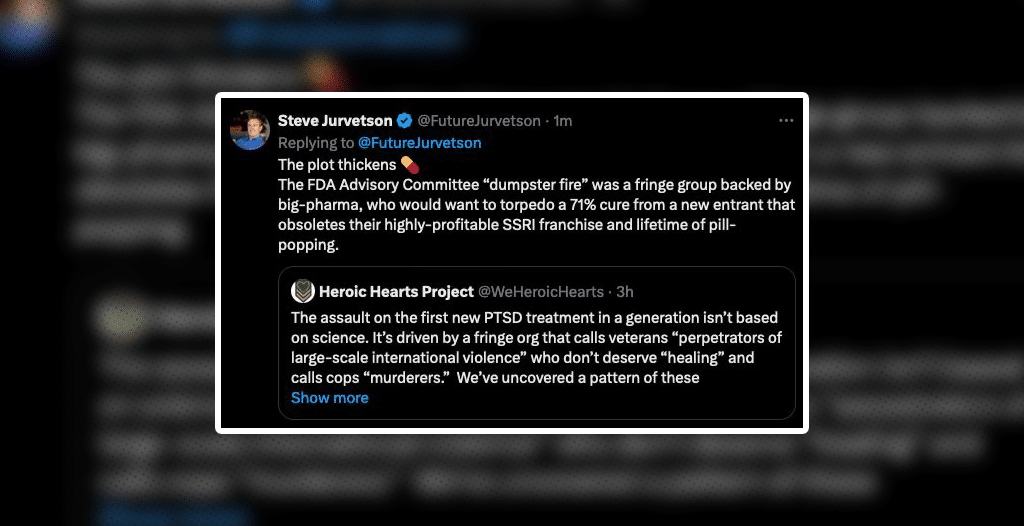 Billionaire PSFC member Steve Jurvetson’s original deleted post falsely stating Psymposia is “backed by big-pharma.” | June 24, 2024, Source: X/Twitter
The campaign shifted into traditional media tactics on July 10, when Heroic Hearts organized a press conference in Washington D.C. at the House Triangle. Four members of Congress — Jack Bergman (R-MI), Lou Correa (D-CA), Morgan Luttrell (R-TX), and Jimmy Panetta (D-CA) — provided speeches in support of MDMA-AT for veterans. At their press conference, Healing Breakthrough and Heroic Hearts assembled a temporary installation representing the 150,000 veteran suicides that have happened since 9/11. Represented as dog tags piled atop a faux marble memorial, it was crafted with an eye toward moving onlookers — and lawmakers — to act. Printed in yellow engraving font, the installation read in all-caps, “Save veterans’ lives now | 13 million Americans suffer from PTSD | The FDA must follow the science | Approve MDMA-assisted therapy now.”
Although these developments are represented as a grassroots mobilization, they were actually coordinated by members of the same organization that fundraised to complete Lykos’ clinical trials. →
→ EXTRA CONTEXT: Pharmaceutical companies like Lykos have a history of proxy campaigns using veterans groups to protect their investments. Writing in The Microdose, Jane Hu cited an article in Reuters about a previous stealth proxy campaign against ICER (one of the groups criticized by Heroic Hearts). This campaign was funded by pharmaceutical companies “to undermine its credibility through proxies, including veterans’ groups and organizations that claim to advocate for patients but have ties to the pharmaceutical industry.” Although describing events from 2020, this story reveals the pharma playbook of Lykos’ funders, which is as evident today as it was to observers then: “A half dozen health policy specialists told Reuters that the veterans’ complaints look like part of an ‘astroturf’ campaign — a phony grassroots movement backed by corporate interests.”
While the public relations campaign began with astroturfed veterans groups, it was quickly embraced by Lykos’ clinical trial funders at PSFC. This influential group consists of an eccentric cast of high-net-worth individuals, including members of SpaceX’s board, the “Cosmic Engagement Officer” of “Magic Soap” maker Dr. Bronner’s, and Mark Zuckerberg’s college roommate.
To fully grasp the extent of these funders’ influence on the psychedelic industry, it is first necessary to understand Lykos’ former parent organization — the Multidisciplinary Association for Psychedelic Studies (MAPS) — which was created in an attempt to promote its founder’s vision to “spiritualize[] humanity” through psychedelics.
Chapter 2: The House That Rick Built
Dr. Rick Doblin founded MAPS as a nonprofit in 1986 after failing to dissuade the Drug Enforcement Agency (DEA) from classifying MDMA as a Schedule I substance. Doblin viewed the U.S. Food and Drug Administration’s (FDA) approval of MDMA-assisted therapy as a necessary step in his plan to avert global catastrophe by ushering in a new epoch of human enlightenment. As Doblin commented at a 2018 MAPS board meeting, “We have said that MDMA-assisted psychotherapy will be a gift to the world from the psychedelic community.”
MAPS fundraised on this platform for decades before spinning off a wholly-owned, for-profit subsidiary organization to oversee its clinical trials in 2014 — the MAPS Public Benefit Corporation (MAPS PBC). MAPS PBC would serve as the vehicle to commercialize and scale MDMA-assisted therapy, and a percentage of the profits would be recycled back into the nonprofit to advance various drug policy and education initiatives.
When psilocybin drug developer COMPASS Pathways launched its initial public offering in 2020, the flow of philanthropic dollars — which had sustained the non-profit psychedelic drug development sector for the past several decades — slowed to a trickle. Backed by big-name investors like Peter Thiel, Compass showed that it was possible for investors to seek a return instead of settling for tax write-offs. The diminished flow of philanthropic dollars collided with ballooning costs for Phase 3 trials, resulting in a high burn rate and short runway. Simply put, MAPS was running out of money.
With the runway end in view, Doblin and the MAPS board were exploring their financing options, which included taking out loans, selling off private equity in MAPS PBC, and going public. From exclusive cruises to Burning Man bacchanals, Doblin actively courted Silicon Valley mega-donors including Google’s Sergey Brin, Facebook co-founder Dustin Moskovitz, and Asana co-founder Justin Rosenstein (Moskovitz is also a co-founder of Asana.) In a list of MAPS’s Silicon Valley donors, Bloomberg identifies multiple early Facebook employees, a co-founder of Groupon, and a partner at Peter Thiel’s Founders Fund. Beyond Silicon Valley, MAPS also established ties with the Steven and Alexandra Cohen Foundation in 2018.
Burning Man was an ideal environment for Doblin to leverage recruitment and fundraising efforts. One former contractor of the Zendo Project — an organization created by MAPS at Burning Man — told Business Insider that she believed Doblin cared less about their harm reduction work than about having an “excuse” to “take potential donors for ‘transformative experiences’ in the desert.” The playa offered a menu of peak experiences — often facilitated by psychedelics — where Doblin could sell his vision to spiritualize humanity.
Doblin’s efforts to “turn on” wealthy donors extended beyond Black Rock Desert. A New York Times article published in September 2025 reported that Doblin introduced billionaire Amy Griffin — who invested in Lykos Therapeutics and whose husband donated $1 million to MAPS — to her underground psychedelic therapists. Psymposia has also reviewed documents that show Doblin referred potential donors to underground psychedelic guides in the Bay Area, some of whom were training MAPS clinical trial therapists.
Jules Evans reported that these practices amounted to a fundraising strategy: “I’ve heard from a senior MAPS source it was [Doblin’s] strategy to call donors the day after MAPS’ psychedelic parties to ask them to donate, while they were in the afterglow state” and suggestible to influence. Speaking to Business Insider, Doblin admitted to providing drugs to donors, but he insisted this practice was “not common.” →
→ EXTRA CONTEXT: A lawsuit filed on behalf of the Sarlo estate in 2021 accused MAPS Board Chair Vicky Dulai of financial elder abuse, claiming that she exploited her relationship with MAPS donor George Sarlo for over $4 million. The lawsuit alleged that Dulai used ayahuasca and MDMA to make Sarlo dependent on her, and subjected him to an “intensive” dosing regimen of ketamine. The lawsuit alleged that while Dulai provided him with underground psychedelic care, Sarlo pledged $1 million to MAPS. In 2018, Dulai was nominated to the MAPS board of directors, and later bios describe her as an “independent psychedelic philanthropic consultant.” Business Insider reported that the case against Dulai was settled in 2022, resulting in Dulai returning money and a Porsche to the Sarlo estate. In 2023, following the settlement, Dulai was promoted by Doblin to Board Chair of MAPS, and she also assumed the role of Treasurer. According to STAT, MAPS claimed to have been unaware of Dulai’s advisory role in Sarlo’s donation, despite Dulai’s concurrent position on the Sarlo Foundation board.
While these tactics were successful, MAPS severely underestimated the costs associated with the Phase 3 clinical trials for MDMA-assisted therapy, according to an independent financial assessment commissioned by PSFC and obtained by Psymposia (📁 Document #1). Without a significant cash injection, MAPS’s decades of work — and its upcoming New Drug Application (NDA) — could not be completed.
PSFC viewed this development as a necessary step towards ensuring the regulatory and commercial success of MDMA-AT. Speaking to Inside Philanthropy, PSFC co-founder Graham Boyd described the independent financial review as “see[ing] what was needed to reach the goal of FDA approval.” According to Boyd, this review resulted in two imperatives: raise capital and minimize risks. As he elaborated, “there were a lot of activities…[and] risk mitigation that needed to happen.” One component of that risk mitigation was a communications strategy.
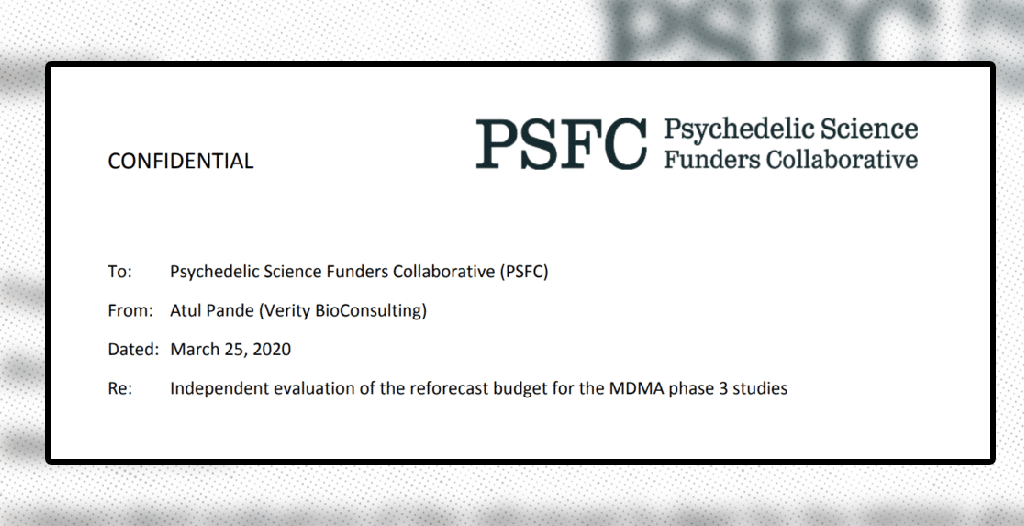 Confidential report commissioned by PSFC analyzing MAPS’s Phase 3 budget. (Click for full report.) | Source: Document
With Doblin’s vision of a “spiritualized humanity” in jeopardy, MAPS opened its doors to a syndicate of psychedelic philanthropists with immense influence in the field: the Psychedelic Science Funders Collaborative.
Chapter 3: “The Psychedelic Domino That Tips All Others”
Like a Bored Ape Yacht Club for the pharma industry, the Psychedelic Science Funders Collaborative (PSFC) pitched itself as a social club for philanthropists attracted to turnkey leadership positions despite little to no experience in the field. As PSFC co-founder Graham Boyd told Inside Philanthropy, “I think that this new generation of philanthropists, in many cases, are looking to do something different than their forebears did. This is a new field where they get to be leaders.”
Podcaster Tim Ferriss — the guru of manufacturing illusory expertise — described the network in a 2020 interview with Doblin: “Let’s just say if you’re able to contribute a million or more [dollars], then you can participate in the community known as PSFC.”
Founded in 2017, PSFC has grown to around “about 200” high-net-worth individuals enmeshed within Lykos’ sprawling network of psychedelic facilitators, nonprofits, and startups. Collectively, according to Jules Evans, “[PSFC’s members’] wealth is greater than the GDP of a small country.” In a 2025 panel discussion, Genevieve Jurvetson stated that PSFC membership requires at least $100,000 in donations to the psychedelic ecosystem, while a higher membership tier — the Founders Circle — requires $1 million in donations.
One notable founding member was Bob Jesse, who has been described as “a quiet, guiding force behind the contemporary psychedelic renaissance.” Although Jesse isn’t widely known beyond insiders, he was a key player in setting the field into motion. He helped initiate the psychedelic research program at Johns Hopkins along with Bill Richards and Roland Griffiths in the early 2000’s, and he was a co-author on what is arguably the field’s most politically significant research paper: “Psilocybin can occasion mystical-type experiences having substantial and sustained personal meaning and spiritual significance,” published in 2006.
PSFC’s name and mission were influenced by Jesse, who introduced the concept of a “funding collaborative” to the group’s early members in a July 2017 email:
“One of my guests last week has deep and long experience, as a program director, in complex philanthropy and grant-making. I shared with her in confidence a bit about of our group’s origins and intentions. She said that in her world what we’re forming is called a ‘funding collaborative.’ She enthusiastically endorsed this this [sic] type of structure as a means of advancing an entire sector (e.g., transformational medicines).”
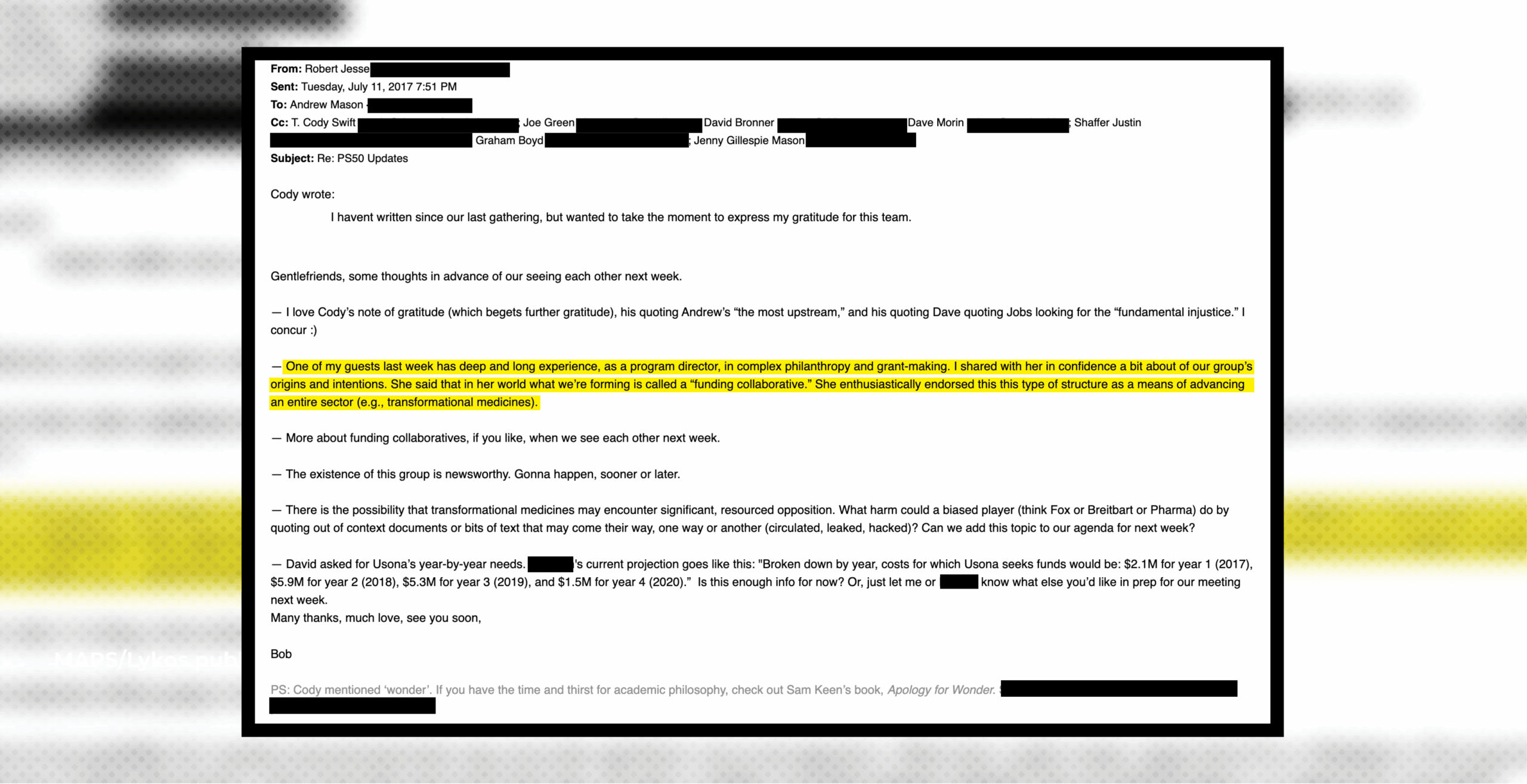 2017 email in which Bob Jesse introduces the idea of the “funding collaborative” to PSFC’s founding members
While this early communication was primarily focused on securing funding for psychedelic research nonprofits including MAPS, Usona Institute, and Heffter Research Institute, it also highlighted the importance of controlling the narrative about psychedelics. In the same email, Jesse expressed his belief that the group’s existence would be “newsworthy,” and he was concerned about what could happen if the group’s communications fell into the hands of resourced opposition: “There is the possibility that transformational medicines may encounter significant, resourced opposition. What harm could a biased player (think Fox or Breitbart or Pharma) do by quoting out of context documents or bits of text that may come their way, one way or another (circulated, leaked, hacked)? Can we add this topic to our agenda for next week?”
Although Jesse resigned as a director of PSFC in 2018, other early members — Joe Green, Graham Boyd, and David Bronner — remained in leadership. PSFC’s current leadership includes Boyd, an attorney; Green, an entrepreneur; Bronner, CEO of Dr. Bronner’s; Suprotik (Protik) Basu, managing partner of Helena Special Investments; Genevieve Jurvetson, a philanthropist; and Dan Grossman, a former partner at Boston Consulting Group. The overlap between PSFC, MAPS, and Lykos is significant: Green, Basu, Grossman, and Ron Beller — a founding member of PSFC — were directors at Lykos, while Green and Bronner are directors at MAPS. Green serves as a director at all three organizations. (Resilient has not yet publicly announced changes to its board of directors since changing its name from Lykos.)
PSFC’s donor network includes podcaster Tim Ferriss (organizer of a MAPS fundraiser called the Capstone Challenge), Musk ally and SpaceX board member Antonio Gracias, the Steven & Alexandra Cohen Foundation, T. Cody Swift of the RiverStyx Foundation, GoDaddy founder Bob Parsons, TOMS founder Blake Mycoskie, WordPress co-founder Matt Mullenweg, Joby Pritzger of the Pritzger family (a former board member of MAPS), Austin Hearst of the Hearst family media empire, and SpaceX director Steve Jurvetson. Other prominent supporters include SpaceX director Kimbal Musk and his wife, Christiana Musk, who operate Flourish Trust. Christiana serves as an Operating Partner at Satori Capital, which participated in Lykos’ Series A investment round.
 Click to view full Psychedelic science funders mind map | Russell Hausfeld
According to a 2024 podcast appearance with Kara Swisher, Green met Doblin at a networking cruise described as “Silicon Valley by sea.” At MAPS’s Psychedelic Science conference in 2017, Green met Boyd, who had previously worked with Dr. Bronner’s and was then primarily focused on marijuana legalization as the Executive Director of New Approach PAC. (Psymposia was a leading partner of Psychedelic Science 2017.)
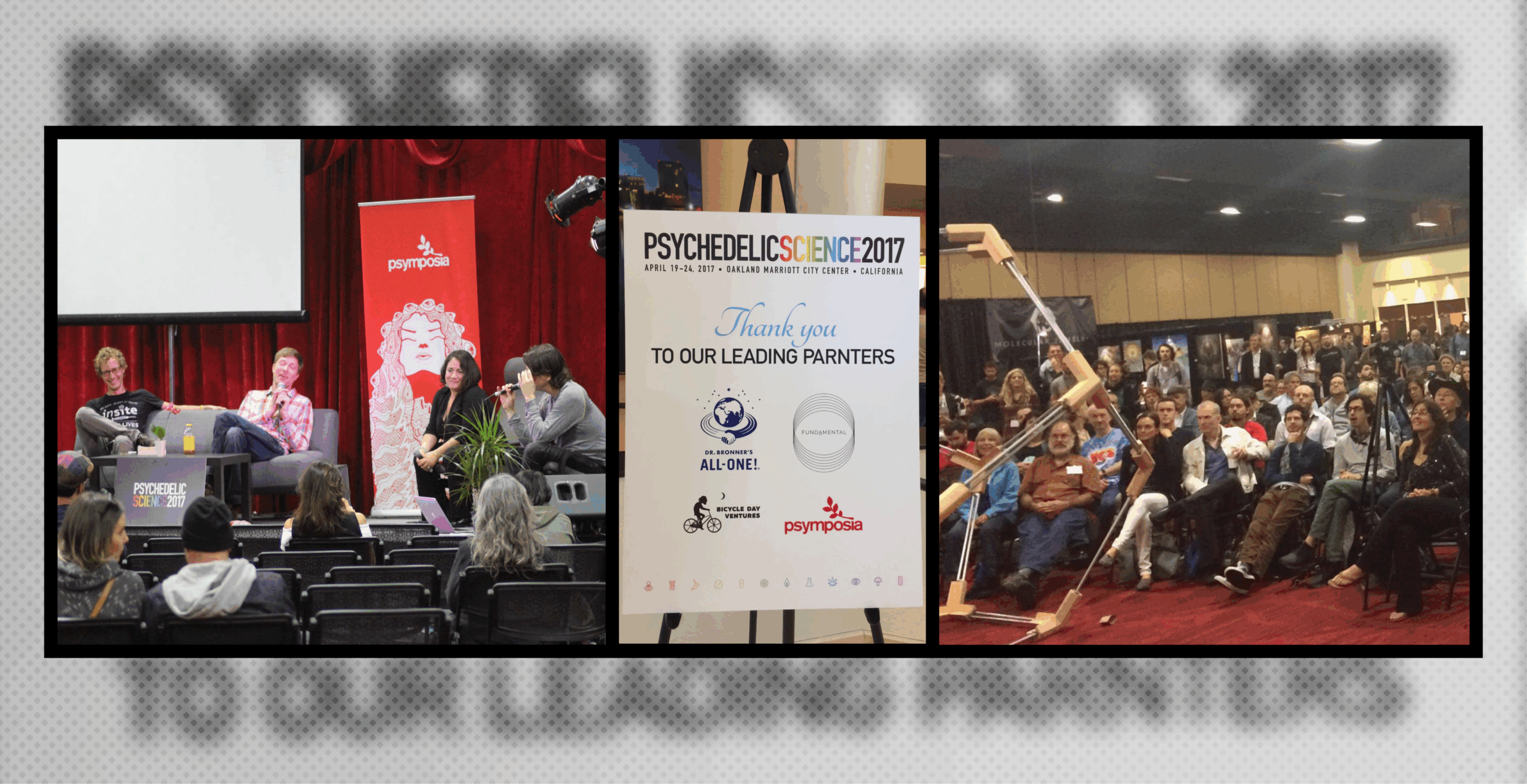 Collage of images from MAPS Psychedelic Science 2017. Left: Psymposia stage at Psychedelic Science 2017. Speakers from left to right include former Psymposia host Lex Pelger, comedian Shane Mauss, former MAPS PBC Chief Scientific Officer Berra Yazar-Klosinski, and Zach Leary (son of Timothy Leary). Middle: Leading partner signage and Psymposia stage images. Right: Crowd at Psymposia stage for Duncan Trussell event.
As Green described to Swisher, the psychedelic industry was missing something he could offer: access to high-net-worth philanthropists. Green began functioning as “a sort of consigliere to Doblin,” connecting the MAPS founder with like-minded elites. Although FDA approval of MDMA-AT was the “initial goal” of fundraising, the resulting network — which became formalized as PSFC — had larger ambitions for the field.
PSFC functions as the psychedelic plutocracy, steering the field’s development to advance its members’ financial and ideological interests. These interests informed PSFC’s 2021 Landscape Report, which surveyed the syndicate’s newly acquired territory to justify its funding priorities. While PSFC claims these priorities serve the public interest, they were disproportionately influenced by wealthy newcomers: PSFC’s own philanthropists comprised 30% of the “key stakeholders” who informed the report’s agenda, according to a draft of the report.
As the report outlines, their agenda relied on a three-pronged strategy to advance psychedelic therapy by influencing state and federal regulations:
Prong 1: “Obtain regulatory medical approval for MDMA-assisted therapy to treat PTSD”
FDA approval of MDMA-assisted therapy had been PSFC’s “core focus” since its 2017 inception. The report describes approval as a “catalytic event” that would legitimize the psychedelic industry to the public and medical establishment. As Boyd told Inside Philanthropy, “Our initial theory of change was: If we can get one psychedelic substance approved by the FDA, then a whole lot of other things will follow from that. A lot of other dominoes will fall.”
This acknowledgment provides context for PSFC’s increasing influence on MAPS PBC’s development between 2020 and 2023. In June 2020, PSFC partnered with MAPS on a $30M Capstone Challenge “to fund the final research required to seek [FDA] approval of MDMA-assisted psychotherapy.” The campaign met its goal well before the 90-day deadline, after Ferriss boosted the challenge on a podcast episode titled “The Psychedelic Domino That Tips All Others.”
While MAPS was trumpeting the campaign’s success, it remained in dire financial straits behind the scenes. According to the independent financial review commissioned by PSFC and obtained by Psymposia, MAPS PBC — which the report notes was “inexperienced” in conducting Phase 3 clinical trials — fell short of industry standards (📁 Document #1). The confidential report calculated that MAPS undershot its budget for Phase 3 by $7.4M. Combining this with the projected costs for the NDA submission and the additional costs for commercialization, this amounted to an underestimate of nearly $20.6M, or 64%. Without PSFC’s $30M cash injection, this deficit would have prevented the organization from completing the trials — let alone securing FDA approval.
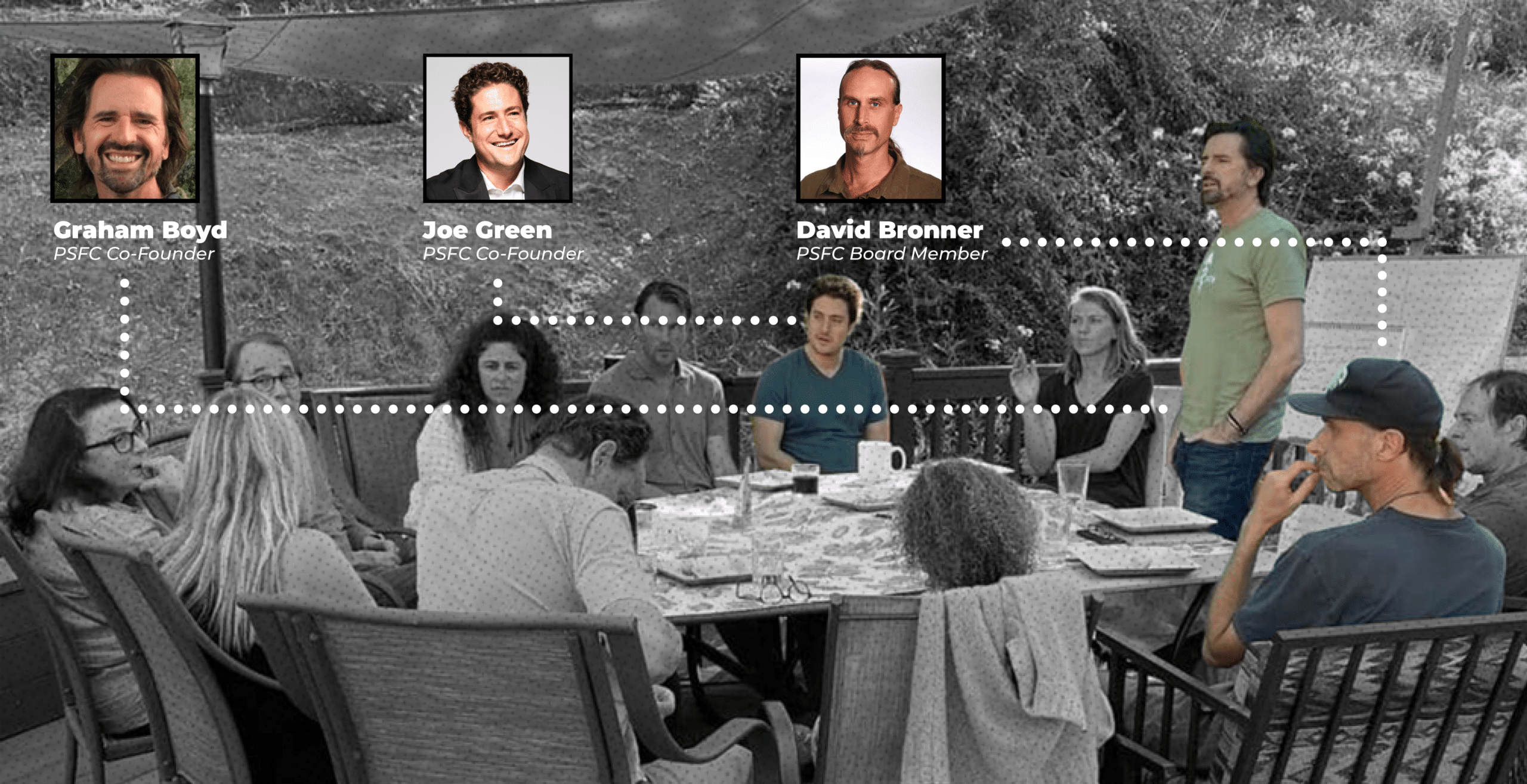 PSFC Members Joe Green (left), Graham Boyd (middle), and David Bronner (right), in discussion with MAPS leadership at the MAPS Therapist Training Planning Retreat, November 2019 | Source: PSFC Psychedelic Science Quarterly Update from November 2019
Prong 2: “Support state-level approval of psilocybin-assisted therapy”
PSFC’s approach to legalizing psilocybin therapy at the state level involves ballot initiatives and legislative lobbying. Although Oregon’s implementation eventually clarified that licensed psilocybin facilitators do not offer “therapy,” PSFC did not recognize this distinction.
The Landscape Report defined psychedelic “therapists” as both licensed clinicians and unlicensed guides from the underground model, whom they intended to legitimize.
As Graham Boyd would later explain during a 2025 panel discussion on PSFC’s priorities, “The state-regulated model…is basically taking what exists throughout the country underground — there are underground practitioners in every part of the country right now — and it’s bringing it aboveground. And we believe that that’s important.”
PSFC’s state initiatives are spearheaded by its “sister organization,” New Approach PAC, which Graham Boyd continues to lead. New Approach has played a central role in all state-wide psychedelic ballot initiatives and legislation, including in Oregon, Colorado, California, and Massachusetts.
PSFC’s influence on the state initiatives extends to other “sister” organizations, which form a complex network of interrelated entities with shared leadership. Boyd is also on the Board of Directors for the Healing Advocacy Fund (HAF), which is shaping the implementation of the state initiatives. The Colorado Springs Gazette describes the Healing Advocacy Fund (HAF) as “the lobbying arm of New Approach PAC,” while law professor Mason Marks refers to HAF as the “sister organization” of New Approach in the Denver Post.
Healing Advocacy Fund’s current executive director, Taylor West, previously served in concurrent roles as the Director of Communications for PSFC, and Chief of Staff and Director of Development for New Approach from 2020-2022. Prior to joining the Healing Advocacy Fund, West served as a philanthropic advisor to Christiana and Kimbal Musk’s Flourish Trust.
During the 2025 panel discussion, Boyd described the legal distinctions that allow PSFC to outsource its political work to “adjacent” organizations:
“To the question of PSFC’s role. We’re a 501c3 — that means that we, at PSFC, do not do political work. But there is a related organization called New Approach, which I’m also the director of that [sic], and that’s a 501c4, which did run both of those campaigns in Colorado and Oregon. Members of PSFC, as individual philanthropists, are also the main donors to those campaigns. So, the money that was necessary to run those campaigns. So it’s something that is — to use the overused term ‘adjacent’ — it is PSFC-adjacent, but not specifically a PSFC effort. The implementation, though, in Oregon and Colorado — building out the clinics, training people, the training centers, all of that — that’s very much right in the sweet spot of PSFC, and so it’s part of the Roadmap, and certainly part of what our donors support, often through PSFC.”
Although the organizations are legally distinct, New Approach serves as the vehicle for executing PSFC’s lobbying strategy. David Bronner, whose company has provided millions to New Approach, emphasized this relationship in a 2022 email to PSFC members: “Deep bows and mega thanks to the incredible New Approach team that coordinated our lobbying strategy and effort on behalf of our powerful colation [sic].” (📁 Document #2)
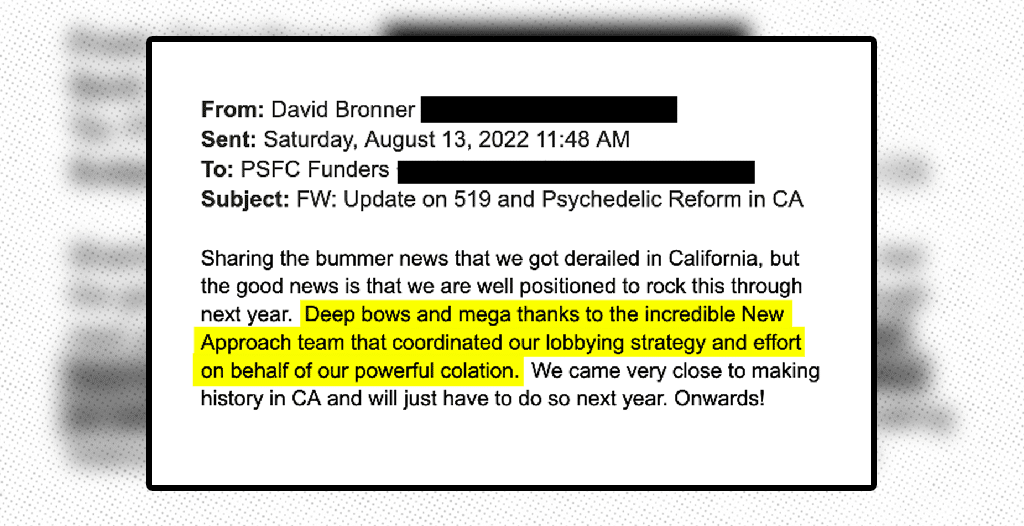 2022 email from David Bronner to PSFC Funders acknowledging PSFC’s coordinated lobbying effort with New Approach. | Source: Email from David Bronner
Applying Silicon Valley’s ethos of disruption and scaling, PSFC’s Landscape Report included grandiose goals of training 100,000 psychedelic therapists to treat 1 million patients a year by 2031. By creating “hub[s] for research and therapist training,” the state model would unblock “bottlenecks” by reducing regulatory and social barriers to the mass production of therapists. →
→ EXTRA CONTEXT: PSFC’s envisioned workforce exceeds the projected growth of traditional mental health providers during the same time period. According to the U.S. Bureau of Labor Statistics’ Employment Projections program, the entire substance abuse, behavioral disorder, and mental health counseling sector is expected to grow by just 71,000 through 2032.
Joe Green emphasized the urgency of scaling the psychedelic therapy workforce in a 2019 email sent to PSFC funders and MAPS’s Director of Training:
“Greetings from NY, where I am excited to be organizing several gatherings featuring Francoise [Bourzat] talking about her new book, hosted by PSFC member Austin Hearst.
“One of the biggest challenges to bringing psychedelic healing to those in need is training of high quality psychedelic therapists at scale. MAPS is doing an admirable job training MDMA therapists, but if MDMA is approved as planned, there will be need [sic] for thousands of therapists to meet the need to treat PTSD.
“Are you or anyone you know an expert in training people at scale? Maybe online education? Or training anyone from soul cycle [sic] instructors to engineers?
“Shannon Carlin, Director of Training at MAPS is leading a strategic planning process to scale up training and is asking to consult with experts. Attached is a more detailed description, we would greatly appreciate any help or idea on this.” →
→ EXTRA CONTEXT: Green’s reference to SoulCycle instructors in the context of training psychedelic therapists at scale is notable given the parallels between the two industries. In the book Cultish, Amanda Montell describes how SoulCycle trained instructors to use persuasive tactics to influence the spiritual beliefs of its participants: “SoulCycle instructors are trained to wait for these moments, when students are so physically beat that they’ll be more receptive to kernels of spirituality, to deliver their best lines.” According to Business Insider, SoulCycle created a dysfunctional culture with little accountability, protecting top instructors who were accused of sexual misconduct, discrimination, fat-shaming, and abusive behavior.
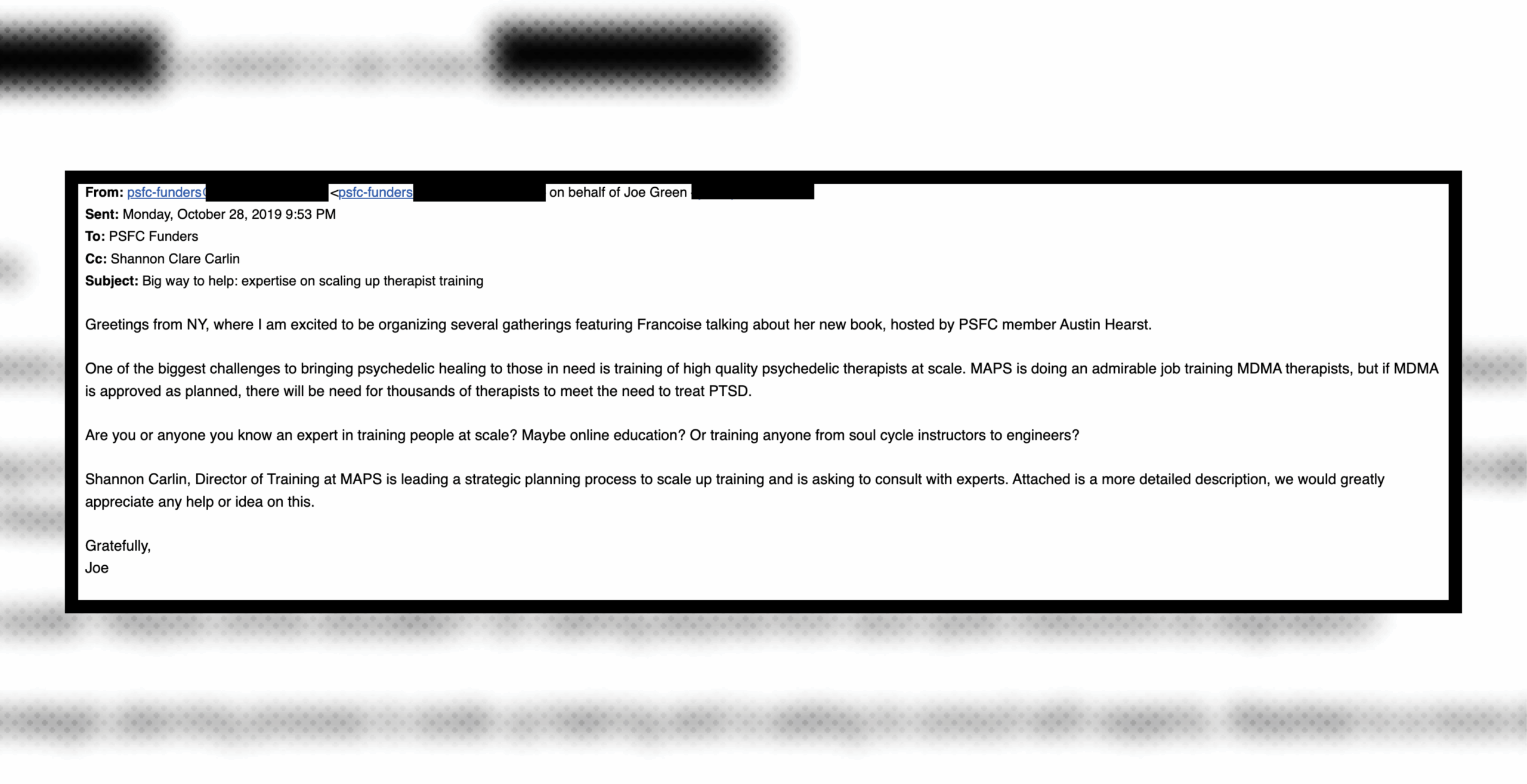 2019 email from Joe Green discussing possibilities for scaling up therapist training
Similar to other Silicon Valley “innovations” including Airbnb and Uber, PSFC’s state model allows underqualified psychedelic therapists to bypass “costly government regulations” by creating a market alternative to conventional mental health licensure. In addition to reducing the time and labor involved in training, this state model offers “experiential training” that involves two elements: undergoing a “guided psychedelic experience” of their own, and receiving supervision in psychedelic sessions from an experienced guide.
In practice, this would create a pipeline to initiate trainees into therapy cult practices that violate ethical therapeutic norms. An amalgam of Stan Grof’s Holotropic Breathwork, Bay Area shamanism, and discredited trauma theories promoted by Bessel van der Kolk, the dominant underground model promoted by PSFC and MAPS teaches therapists and trainees to telepathically “attune” to their patients’ needs to determine when the patient needs to suffer for their healing. By ignoring scientifically validated, evidence-based therapies, this brand of “assisted therapy” encourages therapists to impose esoteric beliefs that could not be openly taught to trainees — let alone disclosed — in FDA-regulated clinical trials.
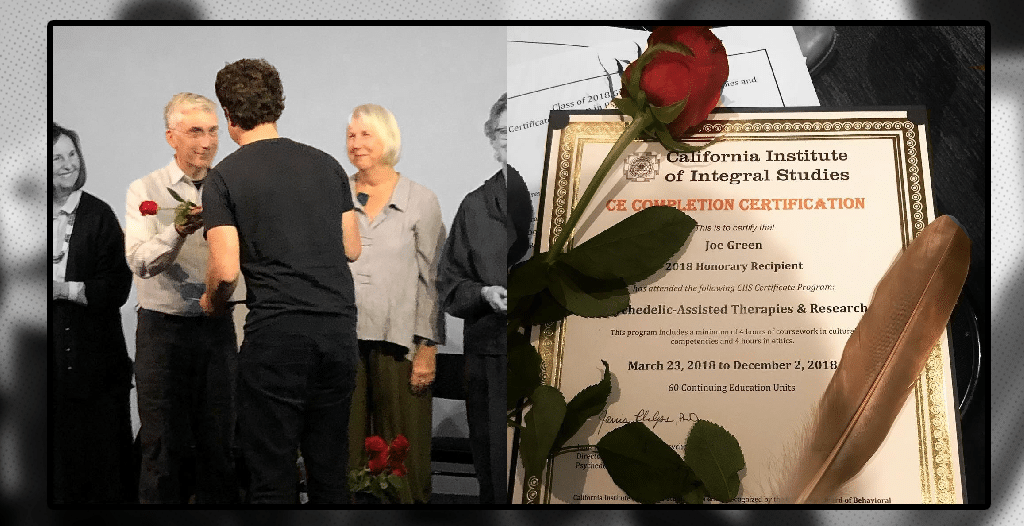 PSFC founder Joe Green received an honorary certificate of completion in Psychedelic-Assisted Therapies and Research from the California Institute for Integral Studies (CIIS). Green wrote, “It was particularly meaningful to receive a rose from my mentor Bob Jesse and be congratulated by Janis Phelps, the head of the program, another mentor.” | Source: Email from Joe Green
Prong 3: “Obtain regulatory medical approval for psilocybin-assisted therapy”
According to the Landscape Report, the full “renaissance of psychedelic therapy” would only become actualized once the outcomes from the first two prongs combined with the third: FDA approval of psilocybin-assisted therapy. The anticipated approval of MDMA-AT would prepare the public (and the regulatory infrastructure) for psilocybin as the first “classic” psychedelic medicine, which PSFC describes as substances “known to trigger mystical experiences.” The new cohort of psychedelic therapists — trained in the states by underground leaders — would be positioned to initiate the broader public into these mystical experiences.
With regulatory approval on the horizon and a new therapeutic workforce taking shape, PSFC moved to formalize its vision for the future of psychedelic therapy. Capitalizing on their recent legislative victory in Oregon — and riding the waves of psychedelic enthusiasm generated by Michael Pollan’s bestseller, “How to Change Your Mind” — the Landscape Report advanced a framework for governing the psychedelic ecosystem.
PSFC’s agenda centered on orchestrating key initiatives to define and control the parameters of mainstream psychedelic therapy, using high-profile efforts like MAPS’s MDMA-assisted therapy approval and Oregon’s Measure 109 campaign as the primary vehicles. This plan for coordinated influence preceded the Landscape Report, as Bronner emphasized in a 2019 email: “We are supporting all key strategies to integrate and mainstream psychedelic therapy, MAPS most of all, but Oregon’s [psilocybin ballot] campaign is crucial to power to [sic] victory as well” (📁Document #3).
The Landscape Report advanced a vision of centralized influence, positioning PSFC as the leading force in shaping the future of psychedelic policy. Framing the psychedelic ecosystem as a fragmented frontier in need of coordination, PSFC drew up strategies to consolidate control. As outlined in the Landscape Report, a “politically savvy hub for psychedelic policy and messaging would create a central resource for media, policymakers, and advocates, with the goal of amplifying messages and policies with the highest likelihood of success at expanding legal access to psychedelic healing.” This approach positioned PSFC not only as a logistical coordinator but as a gatekeeper of narrative, strategy, and funding within the emerging field.
To accomplish this, PSFC created working groups to identify psychedelic organizations they could influence. Internal communications between leadership and members show PSFC’s intent to “refine” these organizations to better align with PSFC’s goals prior to making funding recommendations: “These working groups will look holistically at the psychedelic ecosystem, will conduct diligence on promising organizations, refine strategies with those organizations, and make funding recommendations to the larger PSFC community” (📁Document #4).
Boyd reiterated PSFC’s activist involvement with grantees while speaking to Willamette Week in 2022, Boyd said: “As PSFC, we decide who we want to fund. And when we do that, it’s a deep relationship. We don’t just write checks and, you know, send them the money and say, ‘See you later.’ It is a relationship in which we are connecting to our groups of experts and we offer our advice.”
The reach of PSFC’s network extended beyond smaller advocacy organizations to major research universities, including new centers at Johns Hopkins and UC Berkeley. (In PSFC’s March 2020 Quarterly Update, which was marked “confidential,” they note that “PSFC Steering Committee member Dick Simon is leading an effort to create a Harvard Medical School-affiliated psychedelic research center at the Massachusetts General Hospital in Boston.”) The Landscape Report described this new crop of psychedelic research centers as an emerging trend, without acknowledging their financial connections to PSFC and its circle of donors: “Generous support from philanthropists has created psychedelic research centers at leading universities led by pioneering researchers with longstanding track records.” →
→ EXTRA CONTEXT: Hopkins’ Center for Psychedelic and Consciousness Research (CPCR) was founded in 2019 with $17 million in private funding, and its first five years of operational expenses were provided by “the Steven & Alexandra Cohen Foundation and four philanthropists: Tim Ferriss (author and technology investor), Matt Mullenweg (co-founder of WordPress), Blake Mycoskie (founder of TOMS, a shoe and accessory brand) and Craig Nerenberg (investor).” The Steven & Alexandra Cohen Foundation is invested in Lykos; Ferriss, Mullenweg, and Mykoskie are members of PSFC; and Nerenberg’s Shining Rock Foundation donated $125,000 to PSFC in 2022. In an exuberant email about the fundraising drive for CPCR’s Roland Griffiths Professorship Fund in 2023, Genevieve Jurvetson commented that “the donor list reads like the PSFC membership list and that makes me so happy.” Responding to another PSFC listserv member who wrote “Roland is the modern day Dalai Lama!,” Jurvetson replied, “Couldn’t agree more.💓”
UC Berkeley’s Center for the Science of Psychedelics — which was founded in 2020 — received funding from the Steven & Alexandra Cohen Foundation, Tim Ferriss, Christiana and Kimbal Musk, Blake Mycoskie, along with Lykos investors Joe and Sandy Samberg.
With MAPS positioned as the key domino to launch the psychedelic industry, PSFC had been quietly crafting other pieces from the field’s raw materials. As public attention centered on MAPS ahead of the FDA’s decision, PSFC’s leadership worked to ensure the chain reaction unfolded as planned.
Chapter 4: “From Start-Up to Grown Up”
Reminiscent of a televangelist in a shining white suit, MAPS founder Rick Doblin entered the main stage at Psychedelic Science 2023 to thunderous applause, proclaiming: “Welcome to the psychedelic twenties!” At least one audience member wept. With a track named in his honor, the conference seemed like Doblin’s “victory lap,” but it was actually his swan song.
Four days before the conference began, in a June 15 email marked “CONFIDENTIAL,” Joe Green wrote to PSFC members with “an important update for the MAPS world and the psychedelic movement at large” (📁 Document #5). In this email, which Psymposia obtained from multiple sources, Green announced that MAPS PBC would be accepting private investments in a financing round led by current PSFC member Protik Basu’s private equity firm, Helena Special Investments. (Basu later received a board seat at both PSFC and MAPS PBC, under its new name of Lykos Therapeutics.) PSFC viewed this development as a necessary step towards ensuring the regulatory and commercial success of MDMA-AT.
For psychedelic enthusiasts at Psychedelic Science, Doblin was the center of attention. Behind the scenes, his power within MAPS was diminishing. In preparation for post-approval strategy, PSFC had partnered with MAPS PBC to help figure out “the hires they need to make.” Based on those recommendations, MAPS PBC began hiring more experienced pharmaceutical personnel. As MAPS’s dependence on PSFC’s funding increased, Doblin’s inner circle was supplanted by pharma veterans from outside of the psychedelic movement.
In an email forwarded to PSFC members by Green, MAPS PBC’s then-CEO Amy Emerson announced the hiring of former Moderna Vice President Mike Mullette as its new Chief Operating Officer. Mullette would be tasked with reshaping the organization and developing plans for commercialization. In the email, Emerson wrote that “Mike will play a vital leadership role as MAPS PBC transitions from a small company to a more mature organization (recall one of this year’s themes is ‘Start-Up to Grown Up’).”
In his accompanying commentary, Green linked Mullette’s hire to PSFC’s role in restructuring the organization: “Improving the operational capacity of [MAPS PBC] has been a major focus of PSFC, and this is a huge step.” Mullette’s hiring was in alignment with PSFC’s vision of transforming MAPS PBC from an inexperienced startup into a traditional pharmaceutical company.
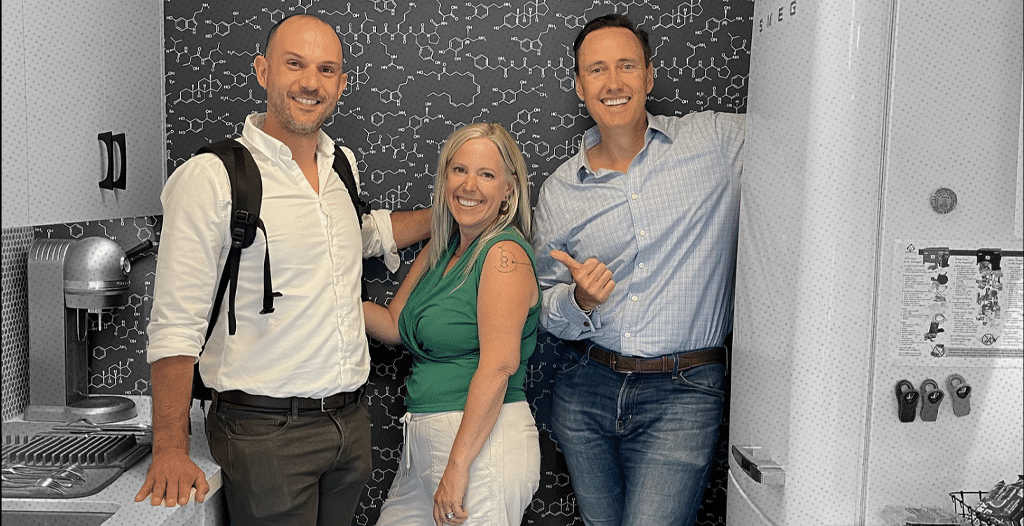 PSFC member Steve Jurvetson (right) poses with Lykos’ then-CEO Amy Emerson (middle) and MAPS Deputy Director Fede Menapace (left) | Source: “Up Against the Wall of Neurotransmitters,” Steve Jurvetson, Flickr, Creative Commons 2.0
In addition to restructuring MAPS PBC’s personnel, another major focus of PSFC was “risk mitigation.” One component of that risk mitigation was a unified communications strategy to control the public narrative about psychedelics.
After years of psychedelic media hype, PSFC anticipated that press coverage would eventually sour, which could threaten the success of their objectives. In preparation, they identified the need for a centralized communications hub to disseminate preferred counternarratives in response to any emerging vulnerabilities. One such vulnerability was Silicon Valley’s increasing use — and misuse — of psychedelics.
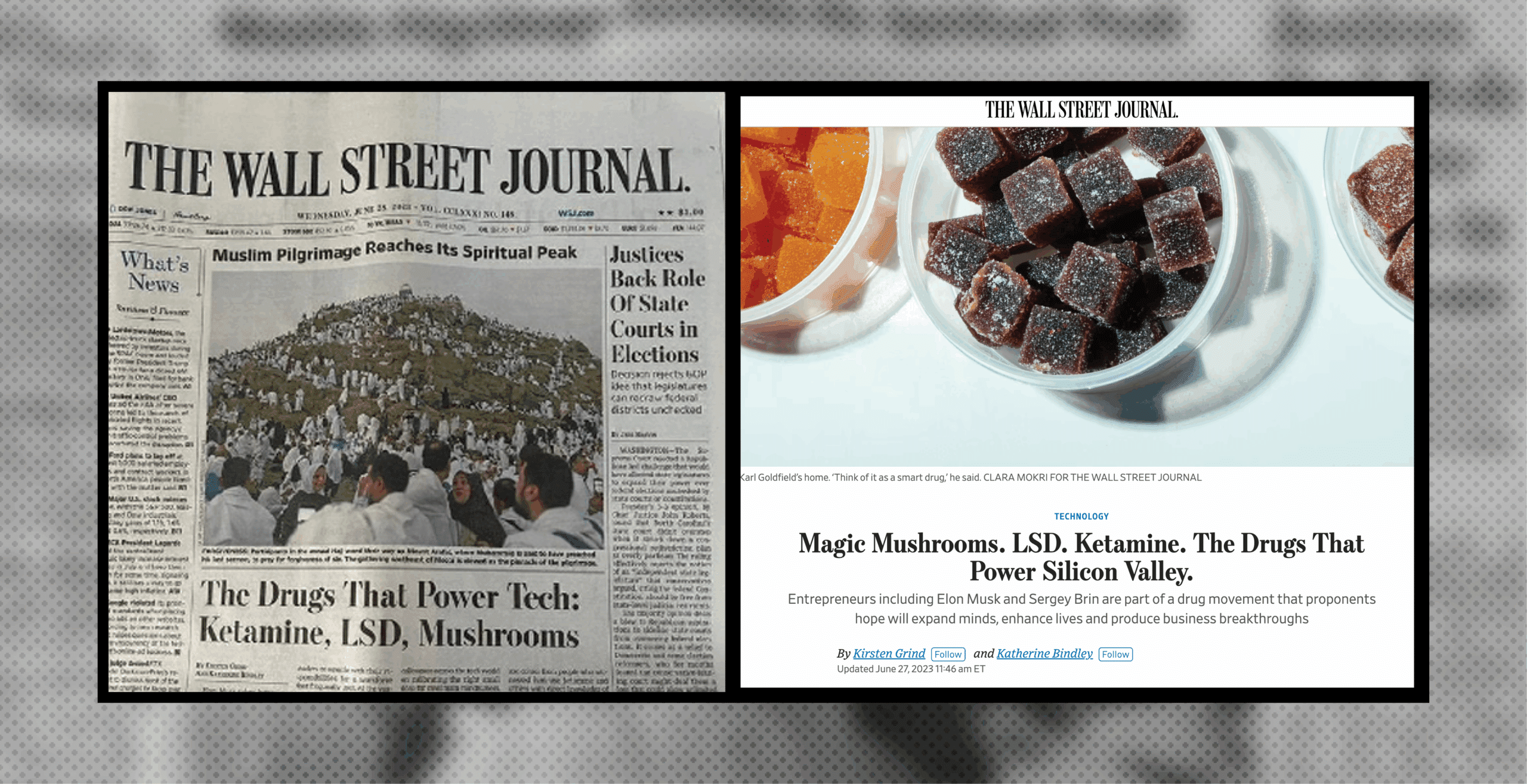 Collage of the print and online version of the Wall Street Journal story about Silicon Valley leaders using psychedelics.
In the days after Psychedelic Science, a major story about this vulnerability hit the front page of The Wall Street Journal, titled online as “Magic Mushrooms. LSD. Ketamine. The Drugs That Power Silicon Valley.” In addition to reporting on Elon Musk’s use of ketamine, the story exposed the increasing rift between leadership at MAPS and MAPS PBC.
One issue of tension identified by the Journal was Doblin’s promotion of “smokable tasks” within MAPS, which the journalists described as “things you can do at work when you’re high on drugs.” Speaking to the Journal, Emerson endorsed the policy but clarified that it was not adopted by MAPS PBC: “We support MAPS having policies that work for their teams and the work they are doing and maintain separate policies for our employees and the work we do at MAPS PBC.” Doblin described Emerson’s position as “timid and risk-averse.” (At the time, both Doblin and Emerson were serving on the boards of MAPS and MAPS PBC.)
In a 2021 podcast interview with Jon Lovett, Doblin described using cannabis to edit documents for the FDA, while swinging a green bong in front of the camera: “We have a policy, kind of, at MAPS, that before we send documents in to the FDA, I get high and I edit them, with our staff.” (MAPS included “smokable tasks” as an official policy in its employment manual, according to a 2021 MAPS Bulletin.)
Another source of tension was Doblin’s admissions of underground facilitation in media interviews. To the consternation of donors, Doblin was shadowed by Bloomberg reporters at Burning Man in 2018, where he guided a promotional MDMA-AT session with a U.S. veteran “suffering with PTSD.” (Doblin is not licensed to practice therapy.)
In an email obtained by Psymposia, Green notified PSFC members about the “Not so good article [in] WSJ” on the day of the cover story’s publication (📁 Document #6). He identified that the article’s focus — “rich tech people [who] use drugs to party and improve performance” — was a vulnerability for their members. Green had declined to be interviewed for the story and advised caution in speaking to the press: “This to me highlights the importance of the work of creating a coordinated communications effort that Robyn Thomas is working on.”
In response, Lykos lead investor Protik Basu agreed with the need for “a clear and professional communications strategy and execution roadmap, mapped against the expected milestones over the next 12-24 months at a minimum[.]” Referring to Thomas’ coordinated communications effort, Basu emphasized: “Glad it’s in motion…and can’t come too soon!”
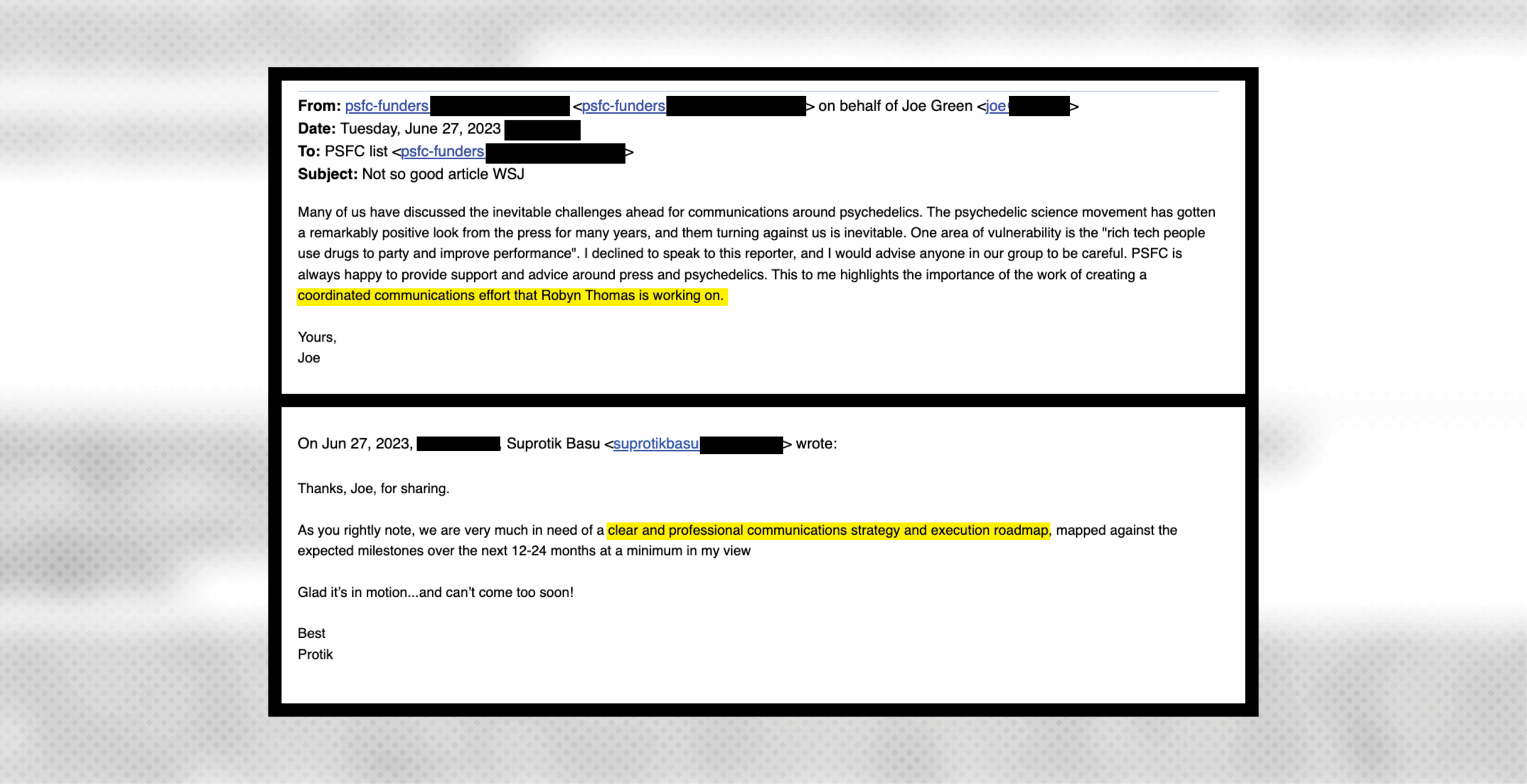
Joe Green alerted PSFC members to the Wall Street Journal cover story article on “The Drugs that Power Silicon Valley.” | Source: Email from Joe Green
Four months earlier, Graham Boyd had announced Thomas’ participation in a PSFC Zoom call on “the state of the psychedelic ecosystem.” During that meeting, Thomas would present on a new “collaborative project with PSFC members on communications in the psychedelic field.” Formalizing this effort to coordinate communications across the psychedelic ecosystem, Thomas and Anne Friedman founded the Psychedelic Communications Hub in 2022. With much of the psychedelic ecosystem now under PSFC’s direct control or indirect influence, the Hub would function to advance PSFC’s priorities by coordinating messaging across its sprawling network.
At a satellite event during Psychedelic Science 2023, PSFC spotlighted its communications strategy in a roundtable discussion featuring Thomas and UC Berkeley’s Imran Khan. The roundtable — titled “Information and Persuasion in the Psychedelic Ecosystem: How do we Identify and Prepare to Disseminate the most Impactful and Effective Messaging” — identified Thomas as developing “the best possible approach to building an organization focused on communication and narrative within the ecosystem.”
PSFC’s curated member “experience” at Psychedelic Science included access to a private “one-day philanthropist event,” “VIP access to the conference green room,” and “concierge” services “to support with anything else you need” including referrals to “the best parties.” It also unlocked access to MAPS PBC executives, politicians, financiers, and influencers. Speakers at this side event included members of PSFC, including TOMS Shoes founder Blake Mycoskie; representatives of Healing Breakthrough and Healing Advocacy Fund; psychedelic researchers including Robin Carhart-Harris, Brian Anderson, and Roland Griffiths; and Colorado Governor Jared Polis.
One panel, titled “Healing our Veterans: (The) Tip of the Spear,” included Healing Breakthrough’s Juliana Mercer and Oleg Gorelik. The speakers discussed the “promising opportunity” to focus on MDMA-assisted therapy for veterans “because of [their] potential to drive outsized impact.” →
→ EXTRA CONTEXT: Paraphrasing Gorelik’s views, Psychedelic Listening Project recommended that funders “mobilize” around veterans as a “politically agreeable topic,” implying that focusing on veterans could help “activate billions of dollars in funding” to “spread [psychedelic therapy] around the world.”
In pursuit of their goal of coordinating national psychedelic messaging, the Landscape Report cited Michael Pollan’s recommendation to “proactively launch a public relations strategy and journalist training program akin to the environmental movement, which has trained journalists through fellowships and grants.” According to Pollan, this effort would cultivate “a cadre of beat reporters committed to this subject.” PSFC envisioned that such a program would work in tandem with a “coordinated effort to measure and shape public opinion, as well as influence political actors” that would be managed by a “National Coordinating Hub.”
Pollan’s suggestion would soon be realized as The Ferriss – UC Berkeley Psychedelic Journalism Fellowship, which “aim[ed] to establish and nurture a new generation of journalists covering the frontlines of this rapidly changing field.” Ferriss described the intent behind his $800,000 donation as “bend[ing] the arc of history.” News coverage of the announcement noted that the fellowship would be “overseen by Michael Pollan,” who is listed as faculty on the program website.
Although Pollan described the new program as “provid[ing] the public with reliable information and the field with accountability,” PSFC envisioned this emerging media hub as a vehicle for normalizing the psychedelic underground.
Chapter 5: “With Passion But Not Savvy”
PSFC’s Landscape Report — which psychedelic booster Michael Pollan reportedly described as “terrific” — served as a technocratic blueprint for colonizing the psychedelic field. In Joe Green’s conversation with Kara Swisher, he shared his feeling of discovering the field at Psychedelic Science 2017, with words that reflect an extractive mindset: “I just showed up and it was like, I found this buried treasure.” For PSFC, established communities are resources to be claimed and optimized.
The elitist mentality of PSFC’s leaders is evident in the report’s recommendations for state-level initiatives (Prong 2). Their orchestration of the ecosystem is portrayed as a necessary corrective to “scattershot” organic developments outside their direct control:
“Ideally, the majority of funding for these policy change initiatives will be channeled through strategically coordinated efforts guided by political expertise. Carefully vetted and targeted campaigns, pursued on a well-considered timeline, can lead to momentum-building victories. Scattershot efforts conducted with passion but not savvy can do the exact opposite.” — PSFC’s Psychedelic Landscape Report (📁Document #7).
Since “strategically coordinated efforts guided by political expertise” refers to PSFC’s own guidance, this document implies that PSFC is indispensable to psychedelic policy change. Although this specific example relates to Boyd’s stewardship of state initiatives via New Approach, this mentality underlies their cultivation of the entire ecosystem to align with their agenda.
 Lykos CEO Amy Emerson (left); MAPS director Vicky Dulai (left, behind); PSFC member Steve Jurvetson (middle, behind); How to Change Your Mind director Lucy Walker (middle, front); MAPS founder Rick Doblin (front, right); PSFC director Genevieve Jurvetson (right) | Source: “Rick Doblin and the MAPS fan club,” Steve Jurvetson, Flickr, Creative Commons 2.0
Having established their justification to reshape the landscape, PSFC set about propping up surrogate thought leaders and organizations while weeding out critics from the field. Speaking to Inside Philanthropy, Boyd revealed a chessmaster’s ambition to arrange the field’s “pieces” for a winning strategy: “Ultimately, we serve in some ways as a field catalyst in that we are looking at the field as a whole and providing an analysis of what are the pieces that are most important to move first, and who are the actors who are best equipped to do that.” With the Landscape Report’s strategy in hand, PSFC assigned actors to their chess pieces.
If MAPS was their king, Françoise Bourzat was their queen.
As described in a bioethics blog post for Harvard Law School’s Petrie-Flom Center (co-authored by Psymposia’s Dr. Devenot), Bourzat and her husband Aharon Grossbard led a significant underground network that trained psychedelic therapists and guides for more than two decades.
Bourzat enjoyed a close relationship with PSFC’s directors. In October 2019, PSFC member Austin Hearst organized a book launch for Bourzat’s Consciousness Medicine in New York City. In an email to members, Green recommended it as “an introduction to the theory and practice of how psychedelics can support healing and growth” (📁 Document #8).
Joe Green discusses scaling psychedelic therapist training in partnership with MAPS | Source: Email from Joe Green
The same month, Boyd appeared alongside the chief petitioners of Oregon’s psilocybin initiative and Bourzat to promote both her book and the ballot effort: “Francoise [sic] [Bourzat], Sheri [Eckert], Tom [Eckert], and Graham [Boyd] will consider key ingredients of psychedelic psychotherapy, while pondering the requirements of successfully integrating this potent modality into mainstream culture.” This connection extended into official business relationships; in the Landscape Report, Boyd disclosed serving as a paid legal advisor to Bourzat’s Center for Consciousness Medicine (CCM) in 2021. →
→ EXTRA CONTEXT: PSFC members’ financial contributions to Bourzat and Grossbard’s school date back at least to 2020. That year, Hearst donated $100,000 to CCM through The Austin and Gabriela Hearst Foundation. In 2021, Hearst contributed an additional $50,000, while Tim Ferriss donated $25,000 through his Saisei Foundation. In 2022, Hearst provided another $100,000. By 2023, Hearst significantly increased support for CCM with a $270,000 donation.
In addition to funding Bourzat, PSFC leveraged its relationship with Bourzat to fundraise for MAPS. In a July 2019 Quarterly Update to PSFC members, Green titled one announcement: “PSFC raises $3.6 million to support MAPS and MDMA commercialization at Francoise Bourzat book launch event”.
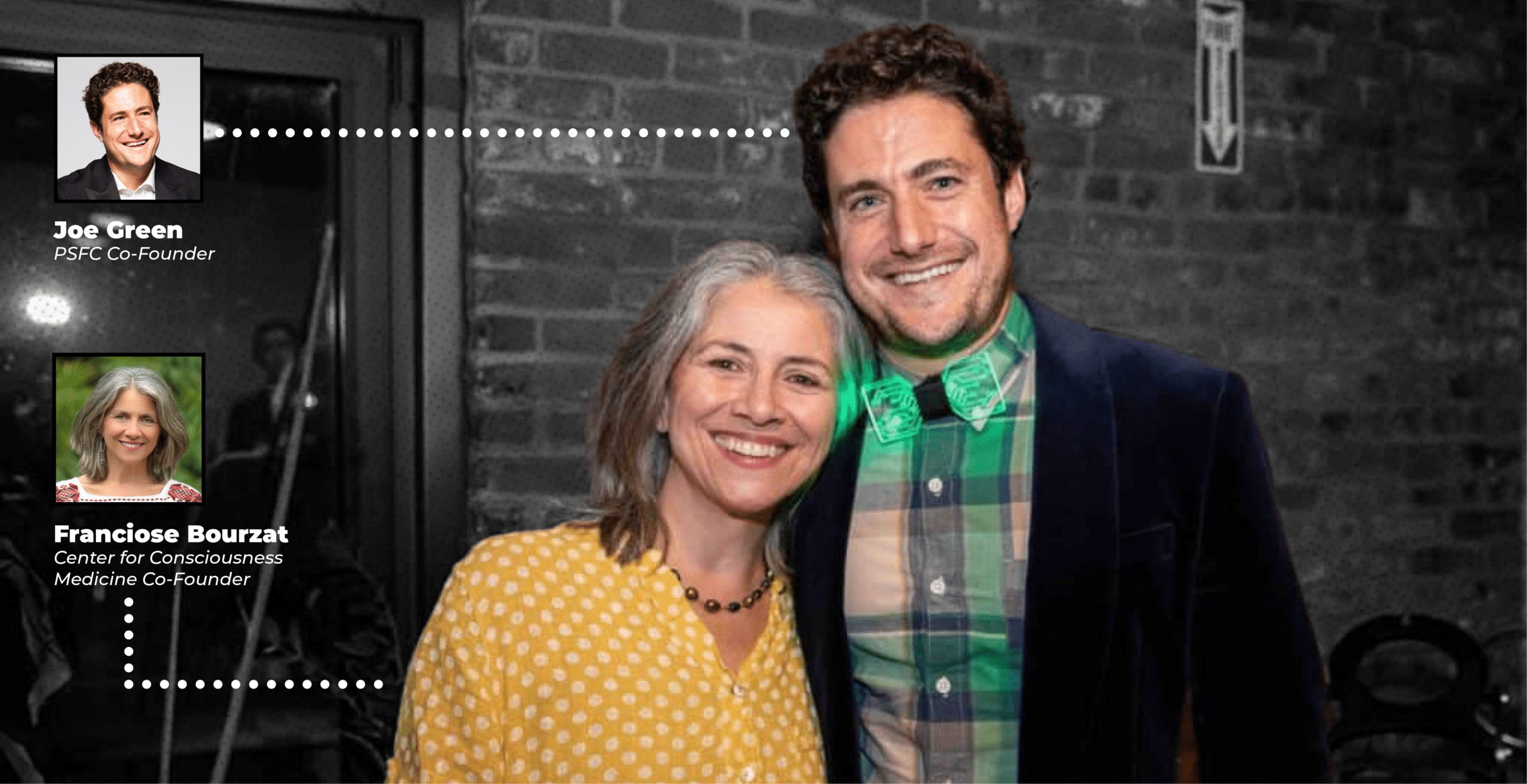 Joe Green was photographed alongside Françoise Bourzat in October 2019. Joe Green wrote in an email to PSFC members: “We featured [Bourzat’s] book in our last update and highly recommend it as an introduction to the theory and practice of how psychedelics can support healing and growth.” | Source: PSFC Psychedelic Science Quarterly Update from November 2019
Through the lens of PSFC’s chessmaster mentality, it is evident that the organization invested heavily in Bourzat as a key piece of their broader gameplan. This perspective provides insight into David Bronner’s public comments about Bourzat; in a March 2021 blog post on Dr. Bronner’s website, Bronner expressed enthusiasm for Bourzat’s therapy model:
“I was on a zoom Tuesday evening with the remarkable psilocybin therapist Francoise [sic] Bourzat and her daughter Naama Grossbard, about their exciting plans to launch the Center for Consciousness Medicine, first in Oregon and the Netherlands, but soon around the world, training world-class facilitators and treating people[.]”
Bourzat’s underground training network was central to PSFC’s plan to create a global cohort of psychedelic therapists. Starting with the Oregon Psilocybin Services Act (Measure 109), members of PFSC were positioning Bourzat as a leading authority on training psychedelic guides. According to a September 2020 interview with Tom Eckert (the co-chief petitioner of Oregon Measure 109), Bourzat belonged to a “prototype board” to develop training criteria for Oregon’s official advisory board, which had not yet been appointed. Eckert described this prototype board — which included mycologist Paul Stamets, neuroscientist Robin Carhart-Harris, and former MAPS Canada Executive Director Mark Haden — as “actually an active board, it’s not a name-only board. We are meeting and developing training criteria.”
Eckert shares that Bourzat was “chosen” for this board “because of [her] experience and knowledge and wisdom pertaining to training.” As Eckert elaborates, “we are trying to develop the intelligentsia around training, specifically, because I really see that as the beating heart of this whole initiative. The whole point is to create access and competency so that we can move this forward into the culture in an intelligent way.”
This prototype board aspired to function as a shadow board to the official Oregon Psilocybin Advisory Board, which was established by the Oregon Psilocybin Services Act. In March 2021, Bronner confirmed that he was working with Bourzat in an advisory capacity to the official board: “we’re lobbying the advisory board that will be advising the Oregon Health Authority on implementing Measure 109.”
In an email sent to PSFC members (📁 Document #3), Bronner highlighted Bourzat’s central role in proposing guidelines for training: “I also want to share the draft outline attached of the therapist training program criteria that Oregon’s Psilocybin Therapy campaign is generating, led by Francoise [sic] Bourzat, Tom Eckert and other luminaries” (📁 Document #9).
Bronner emphasized the preeminence of this training model in a 2020 podcast: “The therapeutic model that we introduced into Oregon that we want to see adopted…we feel like that’s the most crucial model to integrate into the culture…if we really want to optimize the therapeutic potential and healing of these medicines…. It’s also really important for the more naive citizenry[.]”
Bourzat elaborated on the prototype board’s activities to the Psychedelic Leadership podcast, stating that “there is a group of us, working together with different organizations, to create — or suggest to the Oregon health administrations — the criteria for the training of the facilitators that will dispense this offering of mushroom experiences.”
The prototype board was formalized as the Oregon Psilocybin Training Alliance (OPTA) (📁 Document #10). Bourzat met with the official advisory board of Oregon 109, and the OPTA recommended resources that included MAPS’s Code of Ethics; Bourzat’s book Consciousness Medicine; and MAPS Canada’s Manual for Psychedelic Guides. The OPTA’s recommendations included creating a fast-track certification process for established underground guides to act as trainers for the state: “Possibility for initial cohort of trainees to have more lenient training requirements with stricter admission criteria (to become supervisors for later trainees).”
When contacted, Bourzat declined to comment on her relationship with PSFC, MAPS/Lykos, the Oregon Psilocybin Advisory Board, and the Oregon Psilocybin Training Alliance, stating only that her “lack of response to the questions [posed] does not mean the assumptions within the questions are correct.”
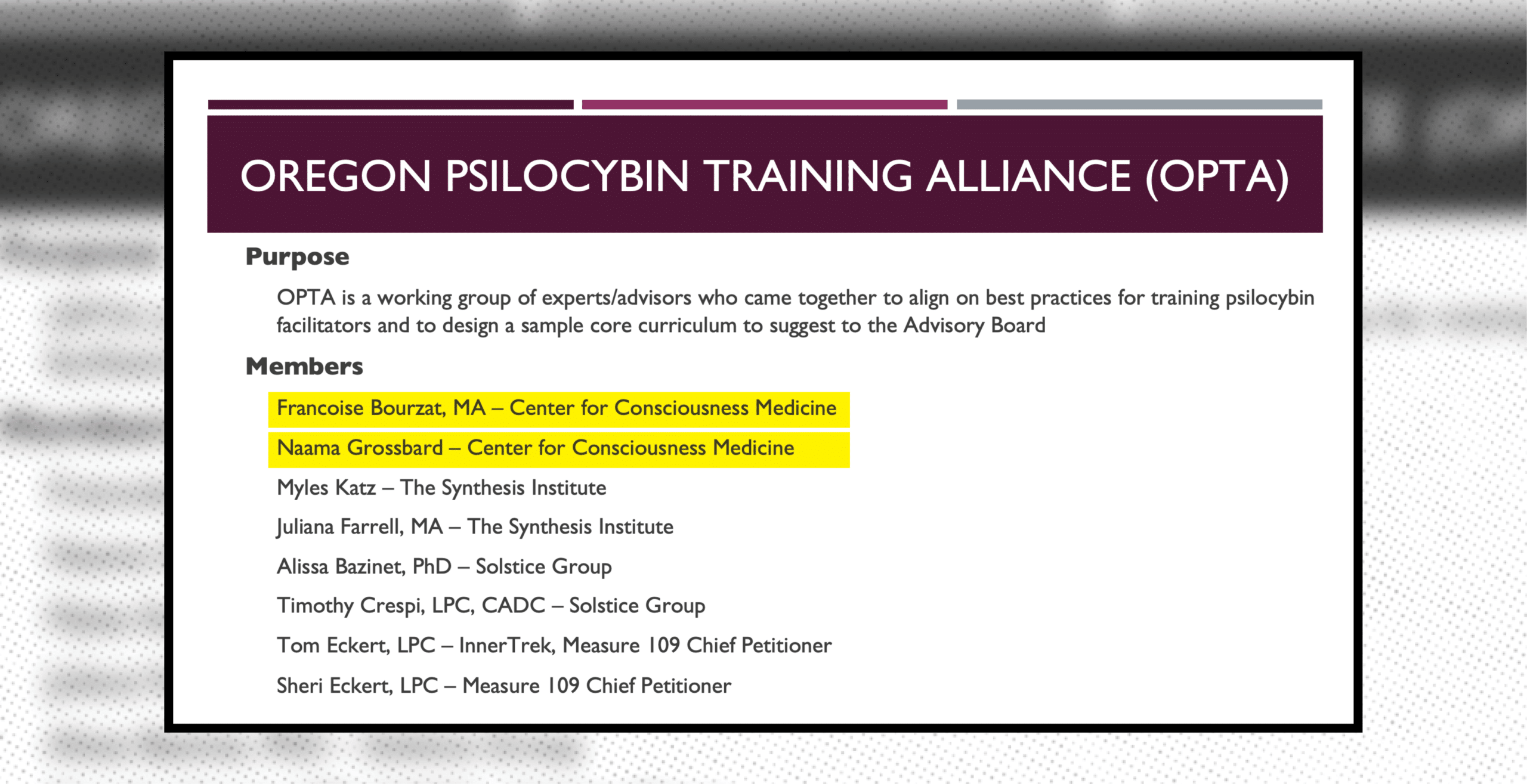 Slide from a 2021 OPTA presentation on recommendations for the Oregon Psilocybin Advisory Board Training Subcommittee | Source: Oregon.gov (Archived)
Given Bourzat’s central role in PSFC’s plans to scale training, Bourzat’s training school — Center for Consciousness Medicine (CCM) — is conspicuously absent from the body of the public version of the Landscape Report that was released in December 2021. By contrast, an earlier version of the Landscape Report — which was privately circulated among PSFC members in May 2021 — prominently features CCM as a model program for training psychedelic therapists at scale (📁 Document #11):
“Funding therapist training programs will be a top priority for psychedelic care delivery over the next decade. Near-term, it will be important to prioritize support for programs that can offer experiential training, including supervised experiences with actual psychedelic treatments, which will help address the current field-wide training bottleneck. For example, the Center for Consciousness Medicine draws on decades of experience and knowledge of guiding expanded states of consciousness and training guides and is currently scaling its training program.”
PSFC distributed this private version of the Landscape Report to its members in May 2021 in preparation for an exclusive PSFC Summit in Half Moon Bay, where Bourzat would be a featured speaker.
Continue reading in Part 2.
The Psychedelic Syndicate: Part 2
Part 2 of The Psychedelic Syndicate exposes the compromised foundation of PSFC's influence network — from the abuse scandals that undermined their preferred therapy model, to undisclosed ties with the sole FDA advisory committee member who voted unequivocally for MDMA approval.