
Science
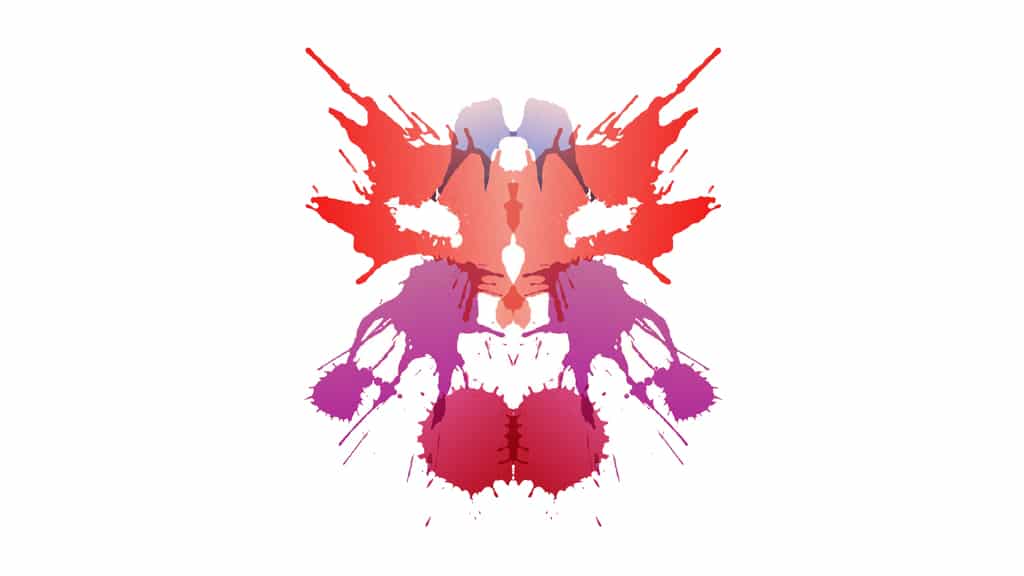
Let’s Talk About Psychedelic-Induced Psychosis

Comedian Shane Mauss and Zendo Project's Ryan Beauregard on psychedelic-induced psychosis. “It was really easy once I got past the big video game, ‘Truman Show’ feeling, to get to a place of, ‘oh, that was all in my head. I was crazy.’"
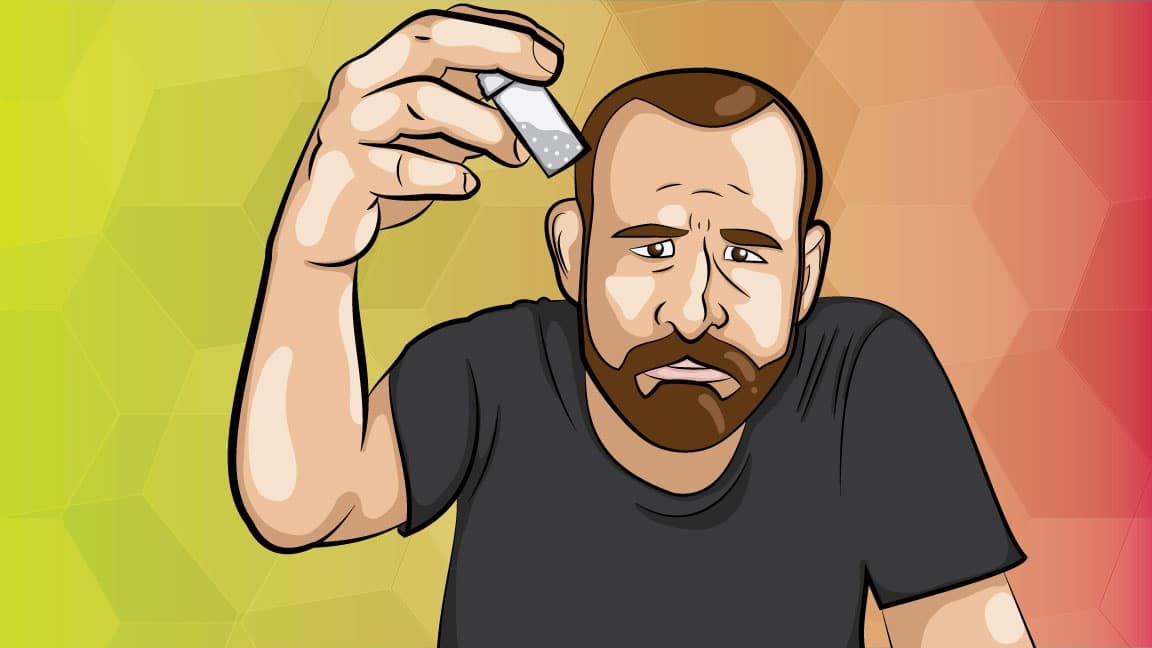
The Bunk Police is looking to destroy dishonesty in the drug market

If there are other harm-reduction organizations, such as DanceSafe, that are able to distribute test kits, then we won’t attend that event....the ones that refuse DanceSafe, we come in and do it anyways.
Intentionally-diverse MDMA research at University of Connecticut Cut Short
The research team at UConn studying MDMA-assisted psychotherapy for PTSD is now defunct.

psychedelic.support creates a network for psychedelic therapists
psychedelic.support could soon become a useful asset to anyone interested in the professional world of psychedelic-related therapy.
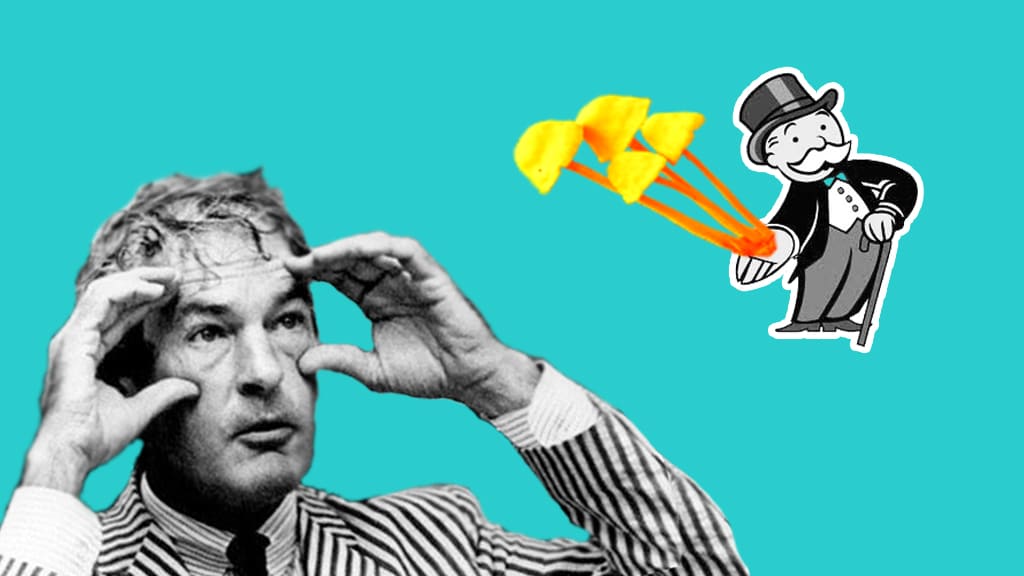
It’s time to debunk prohibitionist narratives and calls for monopolies within psychedelic science

As venture-capital-backed, for-profit companies barrel into psychedelic therapy, the potential for the widespread privatization of psychedelic knowledge and profits looms large. Some researchers are so enthusiastic about medicalization by “any means necessary” that they’re resorting to prohibitionist historical narratives and calling for monopolies to push the agenda forward.
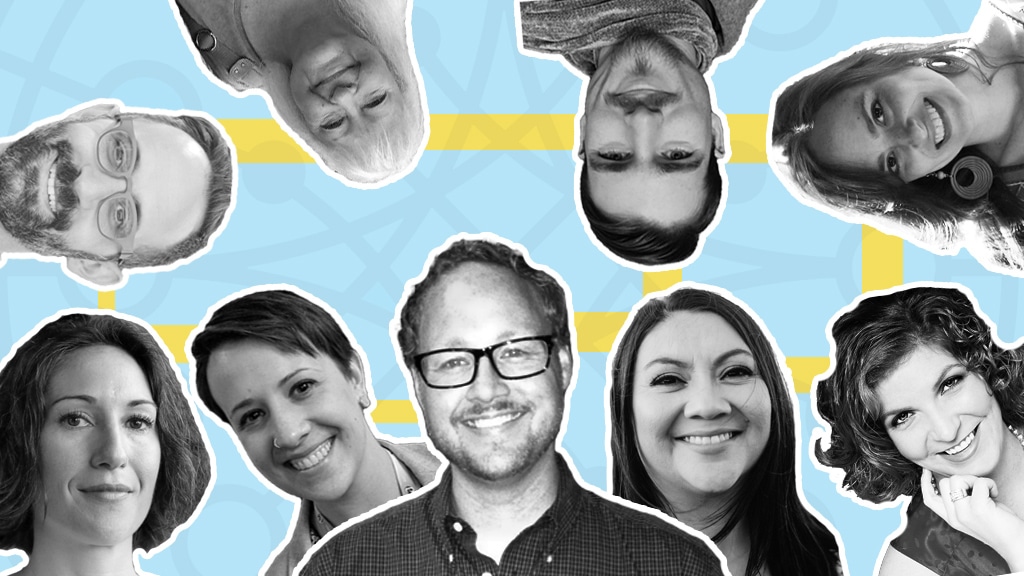
Finally, there’s a group giving grants to students researching psychedelics

We talked with Johns Hopkins psychedelic researcher, Alan Kooi Davis, about the Source Research Foundation, a non-profit awarding grants to students researching psychedelics.
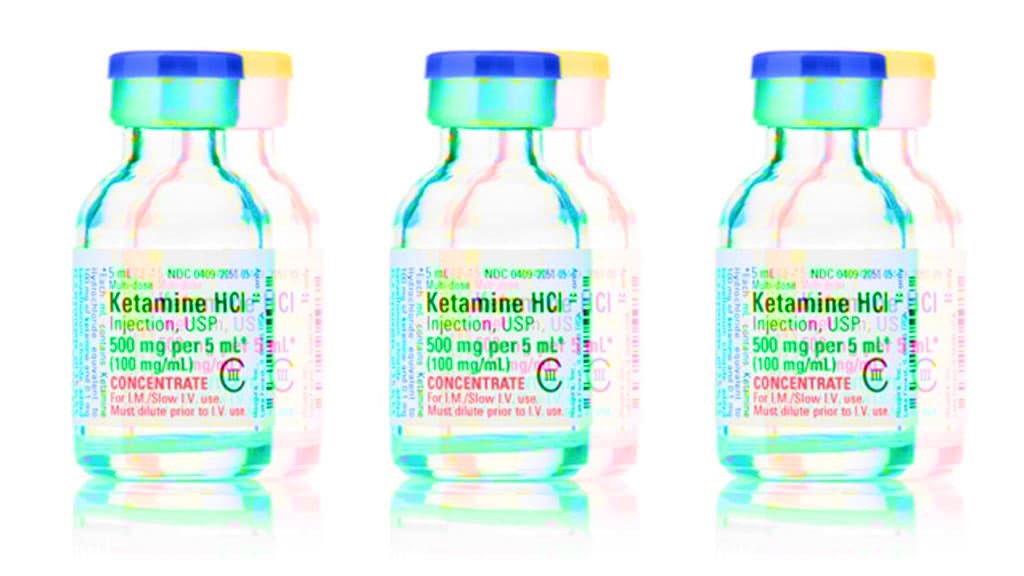
A Doctor Explains How Prescribing Ketamine For Depression Works

We spoke with an experienced psychiatrist about how exactly prescribing ketamine for depression works.
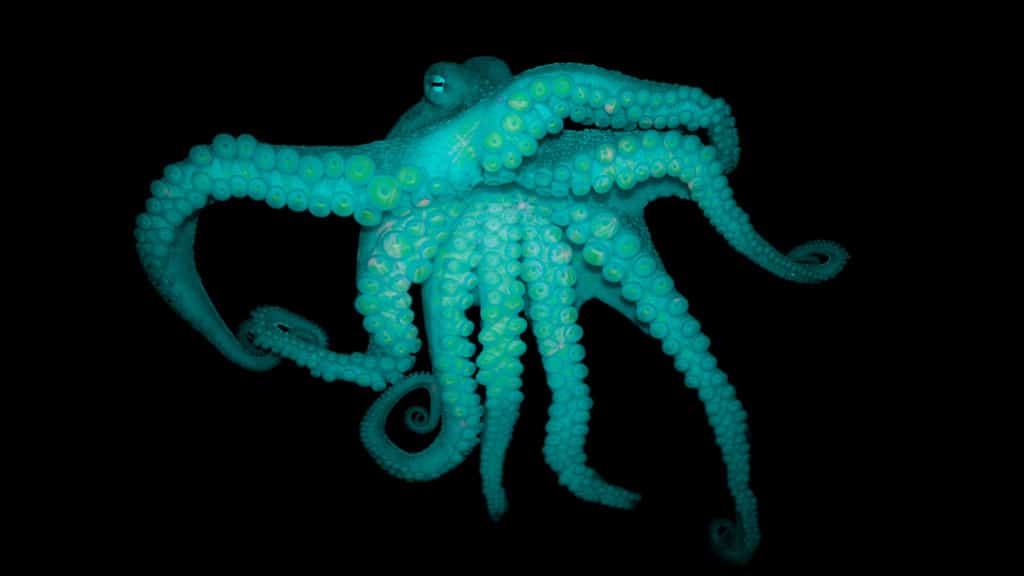
What happens when you give an octopus MDMA?
A team of researchers bathed octopuses in MDMA. Here's what they learned.
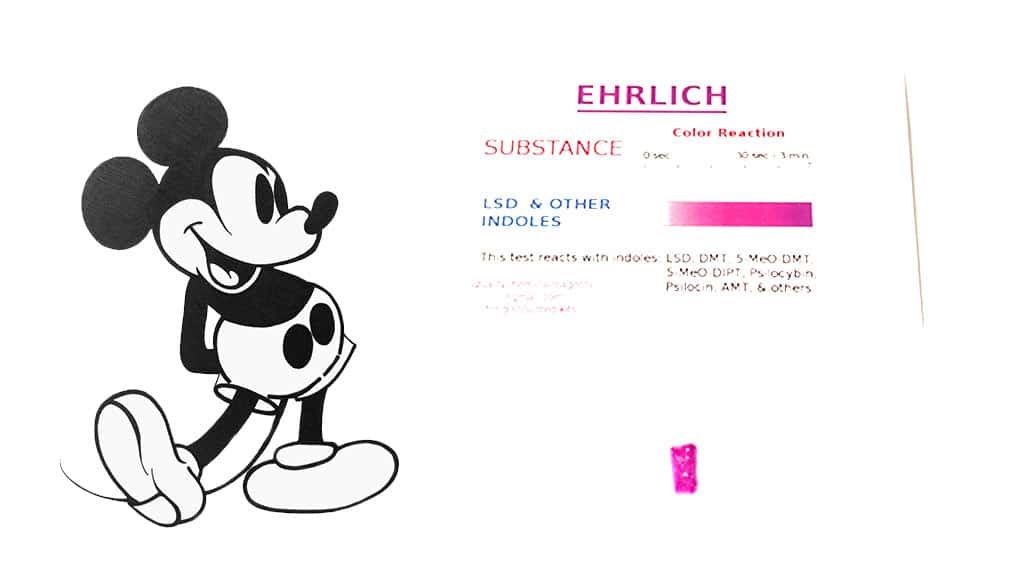
Cartoon Dystopia: 25I-NBOMe and Why You Should Test Your LSD

Like the vast majority of psychonauts, I didn’t use a chemical reagent to verify I was taking LSD, even though I had been active in harm reduction work for three years prior and was aware of testing kits.
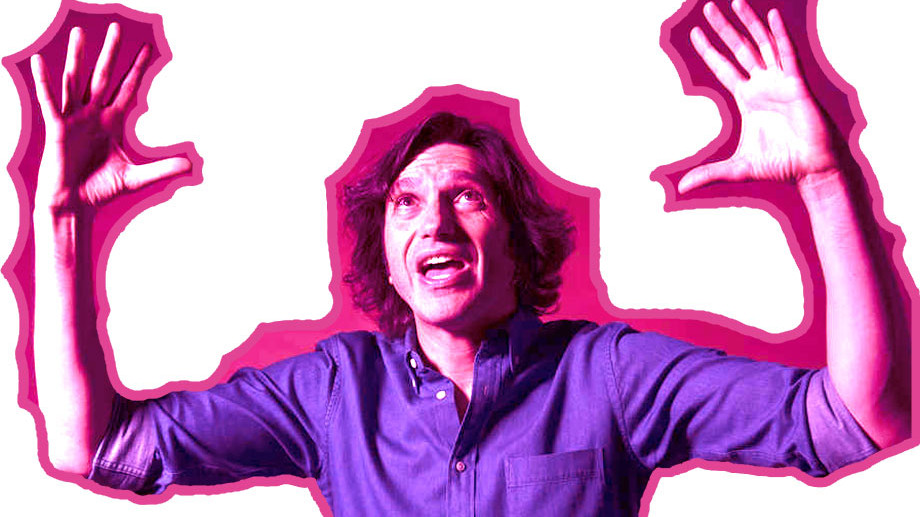
Adam Strauss on Ketamine for OCD, Trip Sitters, and The Mushroom Cure Los Angeles
Before I met Adam I didn’t really know anyone with OCD. It was just an abstract concept to me. Like most people, I had the image of the stereotypical germaphobe who obsessively scrubs their hands in a futile attempt at washing the thousands of bacteria away.

For someone who hasn’t taken a psychedelic drug it can be difficult to imagine what it’s like.
Think of a glass of water: under normal circumstances you might think ‘I drink water when I’m thirsty’. But when consuming a psychedelic substance you might think ’water is the essence of life’.

Salvinorin A. Is it possible to have a truly powerful painkiller that is not addictive?

We need new drugs. The opioid epidemic gripping the United States has brought into public awareness a problem that has bedeviled the world of medical science for decades: is it possible to have a truly powerful painkiller that is not addictive?
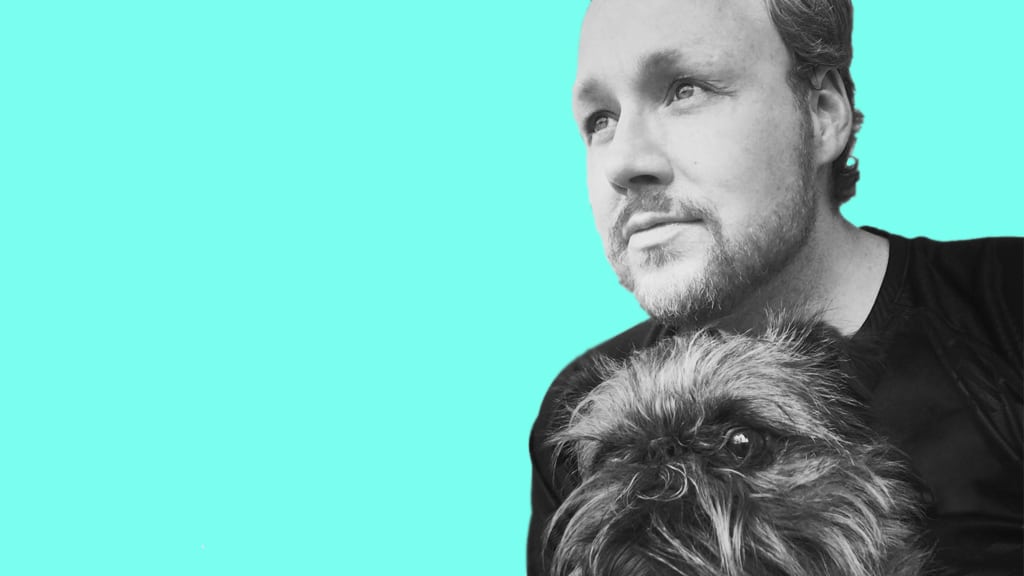
Becoming a Psychedelic Researcher: Alan Kooi Davis
Why researchers like Alan Kooi Davis — the newest addition to the Johns Hopkins psychedelic research team — decide to devote their careers to studying psychedelics.
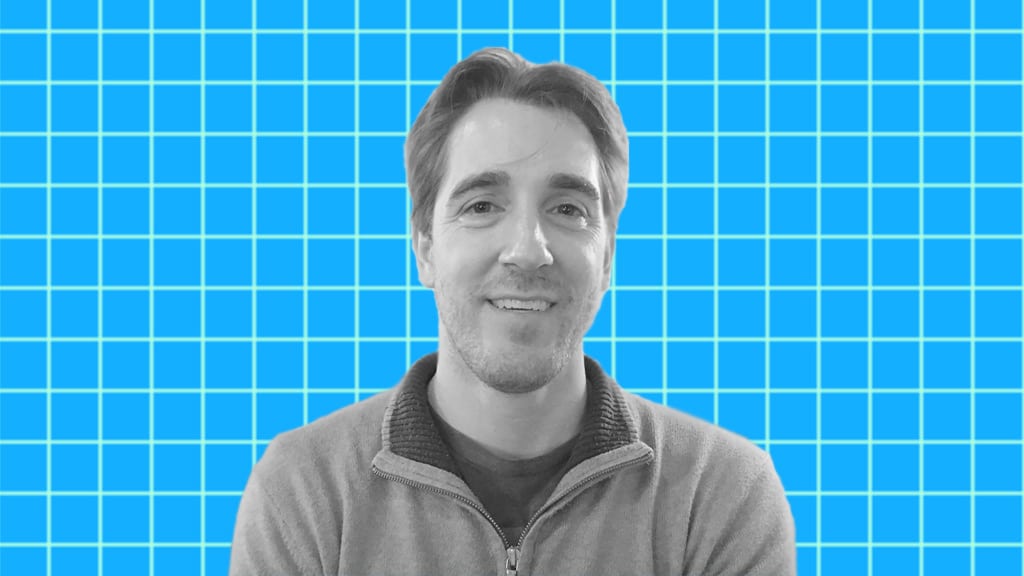
We talked with a researcher using psilocybin for cocaine addiction in Alabama

I came to a working hypothesis: at the center of the mystical experience is awe, wherein one is in the presence of something so great, so large, that it requires they completely reorder their mental structures - completely change the way they view reality.

LSD Cured My Eating Disorder

As a teenager, I was taking ten milligrams of Ritalin daily. Later, I grew to love the way these pills made it easier for me not to eat.
We now call ‘bad trips’ ‘challenging experiences’. Here’s why that’s misguided.

Renaming adverse effects of psychedelic drugs as “challenging experiences” minimizes, almost trivializes, their negative effects.

Psychedelics and the Full-Fluency Phenomenon

I first discovered the potential psychedelics have for treating stuttering during an experience with psilocybin mushrooms.
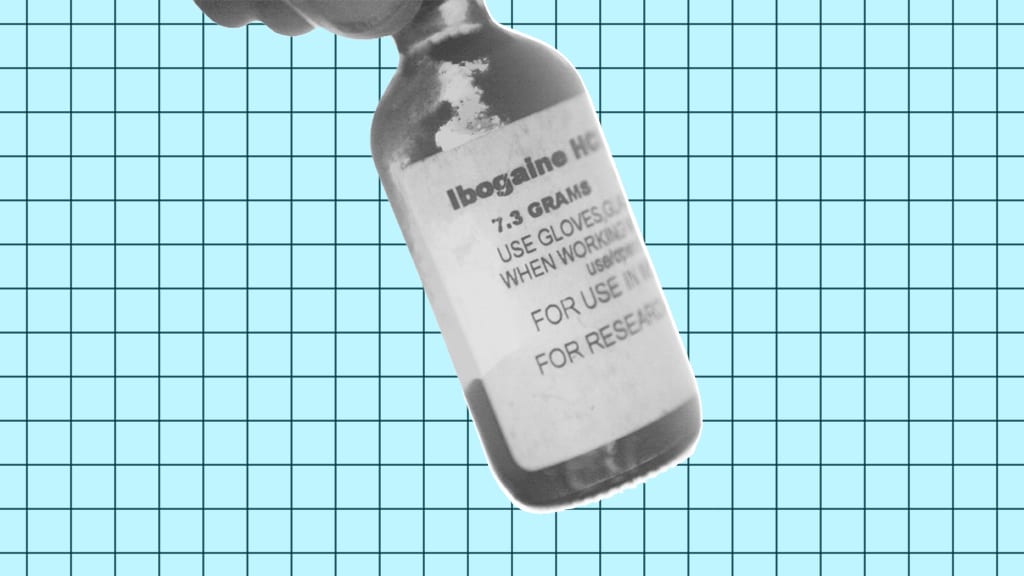
Is Ibogaine the Cure for Opioid Addiction? It’s Not That Simple. | Part 11
The Ibogaine Conversation Conclusion | The goal of this conversation was to provide a platform for a diverse range of perspectives on a single topic. Not everyone agrees, and that’s the point.
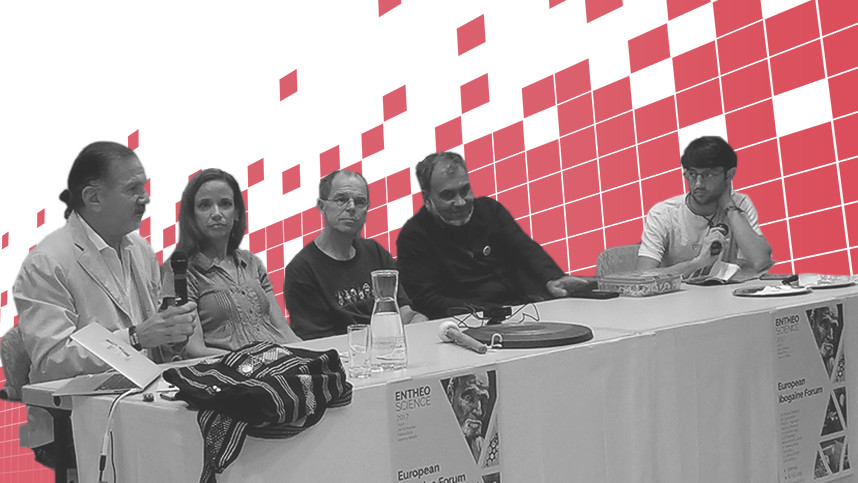
Ibogaine Treatment Comes with Risks. We Had a Discussion About Safety with Medical Providers. | Part 10
The Ibogaine Conversation Part 10 | Unlike other psychedelic drugs, ibogaine is known to be potentially cardiotoxic. There are a number of fatalities associated with its use, and anyone considering working with it should be aware of the risks.
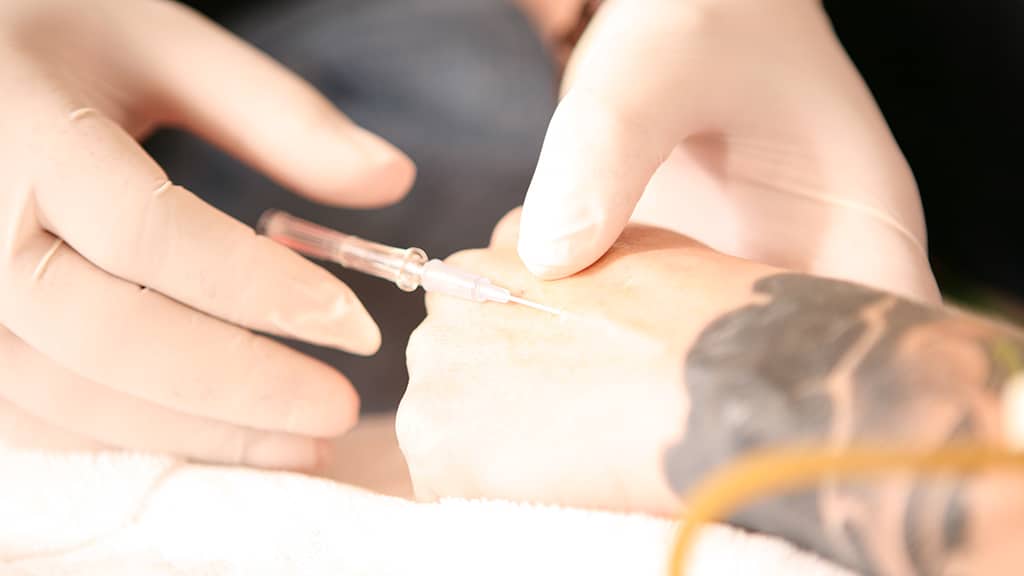
How Safe is Ibogaine? We Asked Clare Wilkins Who Has Facilitated Over 700 Treatments | Part 9
The Ibogaine Conversation Part 9 | Using ibogaine can be fatal if proper safety precautions aren’t taken.
Science
Let’s Talk About Psychedelic-Induced Psychosis
Comedian Shane Mauss and Zendo Project's Ryan Beauregard on psychedelic-induced psychosis. “It was really easy once I got past the big video game, ‘Truman Show’ feeling, to get to a place of, ‘oh, that was all in my head. I was crazy.’"
The Bunk Police is looking to destroy dishonesty in the drug market
If there are other harm-reduction organizations, such as DanceSafe, that are able to distribute test kits, then we won’t attend that event....the ones that refuse DanceSafe, we come in and do it anyways.
Intentionally-diverse MDMA research at University of Connecticut Cut Short
The research team at UConn studying MDMA-assisted psychotherapy for PTSD is now defunct.

psychedelic.support creates a network for psychedelic therapists
psychedelic.support could soon become a useful asset to anyone interested in the professional world of psychedelic-related therapy.
It’s time to debunk prohibitionist narratives and calls for monopolies within psychedelic science
As venture-capital-backed, for-profit companies barrel into psychedelic therapy, the potential for the widespread privatization of psychedelic knowledge and profits looms large. Some researchers are so enthusiastic about medicalization by “any means necessary” that they’re resorting to prohibitionist historical narratives and calling for monopolies to push the agenda forward.
Finally, there’s a group giving grants to students researching psychedelics
We talked with Johns Hopkins psychedelic researcher, Alan Kooi Davis, about the Source Research Foundation, a non-profit awarding grants to students researching psychedelics.
A Doctor Explains How Prescribing Ketamine For Depression Works
We spoke with an experienced psychiatrist about how exactly prescribing ketamine for depression works.
What happens when you give an octopus MDMA?
A team of researchers bathed octopuses in MDMA. Here's what they learned.
Cartoon Dystopia: 25I-NBOMe and Why You Should Test Your LSD
Like the vast majority of psychonauts, I didn’t use a chemical reagent to verify I was taking LSD, even though I had been active in harm reduction work for three years prior and was aware of testing kits.
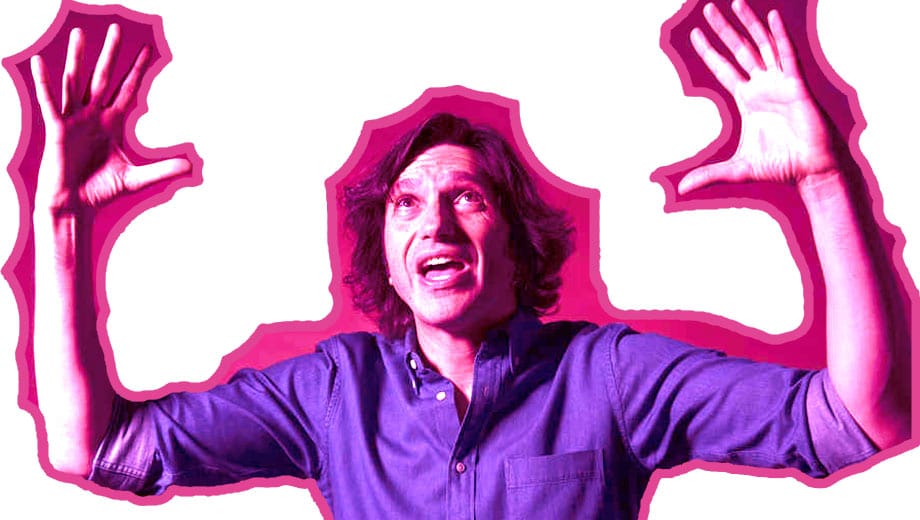
Adam Strauss on Ketamine for OCD, Trip Sitters, and The Mushroom Cure Los Angeles
Before I met Adam I didn’t really know anyone with OCD. It was just an abstract concept to me. Like most people, I had the image of the stereotypical germaphobe who obsessively scrubs their hands in a futile attempt at washing the thousands of bacteria away.
For someone who hasn’t taken a psychedelic drug it can be difficult to imagine what it’s like.
Think of a glass of water: under normal circumstances you might think ‘I drink water when I’m thirsty’. But when consuming a psychedelic substance you might think ’water is the essence of life’.
Salvinorin A. Is it possible to have a truly powerful painkiller that is not addictive?
We need new drugs. The opioid epidemic gripping the United States has brought into public awareness a problem that has bedeviled the world of medical science for decades: is it possible to have a truly powerful painkiller that is not addictive?
Becoming a Psychedelic Researcher: Alan Kooi Davis
Why researchers like Alan Kooi Davis — the newest addition to the Johns Hopkins psychedelic research team — decide to devote their careers to studying psychedelics.
We talked with a researcher using psilocybin for cocaine addiction in Alabama
I came to a working hypothesis: at the center of the mystical experience is awe, wherein one is in the presence of something so great, so large, that it requires they completely reorder their mental structures - completely change the way they view reality.
LSD Cured My Eating Disorder
As a teenager, I was taking ten milligrams of Ritalin daily. Later, I grew to love the way these pills made it easier for me not to eat.
We now call ‘bad trips’ ‘challenging experiences’. Here’s why that’s misguided.
Renaming adverse effects of psychedelic drugs as “challenging experiences” minimizes, almost trivializes, their negative effects.
Psychedelics and the Full-Fluency Phenomenon
I first discovered the potential psychedelics have for treating stuttering during an experience with psilocybin mushrooms.
Is Ibogaine the Cure for Opioid Addiction? It’s Not That Simple. | Part 11
The Ibogaine Conversation Conclusion | The goal of this conversation was to provide a platform for a diverse range of perspectives on a single topic. Not everyone agrees, and that’s the point.
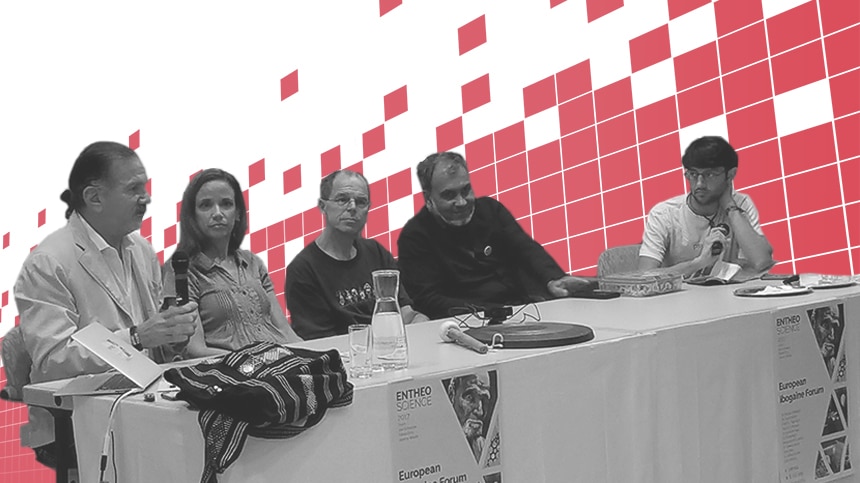
Ibogaine Treatment Comes with Risks. We Had a Discussion About Safety with Medical Providers. | Part 10
The Ibogaine Conversation Part 10 | Unlike other psychedelic drugs, ibogaine is known to be potentially cardiotoxic. There are a number of fatalities associated with its use, and anyone considering working with it should be aware of the risks.
How Safe is Ibogaine? We Asked Clare Wilkins Who Has Facilitated Over 700 Treatments | Part 9
The Ibogaine Conversation Part 9 | Using ibogaine can be fatal if proper safety precautions aren’t taken.